
The transformative potential of paint often exceeds its aesthetic value, particularly when used to divide spaces. This creative approach not only defines areas within a home or office but also enhances functionality and mood. By using strategic color placement, walls can guide the flow from one room to another without the need for physical barriers. For instance, a calming palette in a reading nook can create a subtle sanctuary within a larger living room. In open-floor commercial settings, varying hues can delineate workstations and common areas, providing visual privacy and helping the mind seamlessly transition between tasks. Beyond aesthetics, consider the impact of color psychology; cool shades might encourage focus in workspaces, while warm tones promote a welcoming atmosphere. Designing spaces through paint requires thoughtful color selection and application to harmonize the intended purpose of each area without interrupting the overall cohesion. Such projects highlight the power of paint as both a decorative and functional tool, proving that a few strokes can significantly alter the dynamics of a room.
Dividing Spaces Through Paint
Utilizing paint to divide and define spaces is an effective and affordable method to transform interiors, particularly in areas where structural changes aren’t feasible. The thoughtful application of color can significantly change how a room functions and feels, fostering both aesthetic appeal and practical utility.
When looking to segment vast open areas, employing paint can create implied divisions that help organize space. For instance, in a large room used for both dining and lounging, different wall colors can subtly separate these functional areas without physical barriers. Choose contrasting yet harmonious colors to ensure the transition is noticeable but seamless to the eye.
Consider an example where soft blues mark a calming zone like a reading nook, while vibrant oranges delineate a lively dining area. This not only provides visual interest but also aids in setting distinct moods for each space. For businesses trying to delineate customer interaction spaces from more private areas, this approach can enhance the work environment’s usability and appearance.
For those concerned about overpowering effects, the use of accent walls serves as an excellent compromise. Painting just one wall in a bolder tone allows for the segregation of spaces without overwhelming the entire room. This is particularly popular in home offices or retail settings where the emphasis is on both functionality and style.
Beyond color, the use of patterns like stripes or geometric shapes can further emphasize boundaries within a space. Vertical lines can suggest division and height, drawing clear lines between different areas without the need for physical partitions.
Business owners can leverage this by using painted lines to guide customer flow, enhancing both aesthetic appeal and organizational efficiency. For example, a daycare can use playful murals to create visual zones separating play areas from reading corners, which efficiently guides children and caregivers alike.
Selecting the right finish is equally essential. Matte finishes are excellent at absorbing light and creating a cozy atmosphere, whereas glossier textures can reflect light, giving spaces a more open, breezy feel. This choice should align with the room’s intended function to optimize practical outcomes. Proper planning and creativity with paint can craft distinct, meaningful environments that serve both personal and professional needs.
Extension of Interior to Exterior
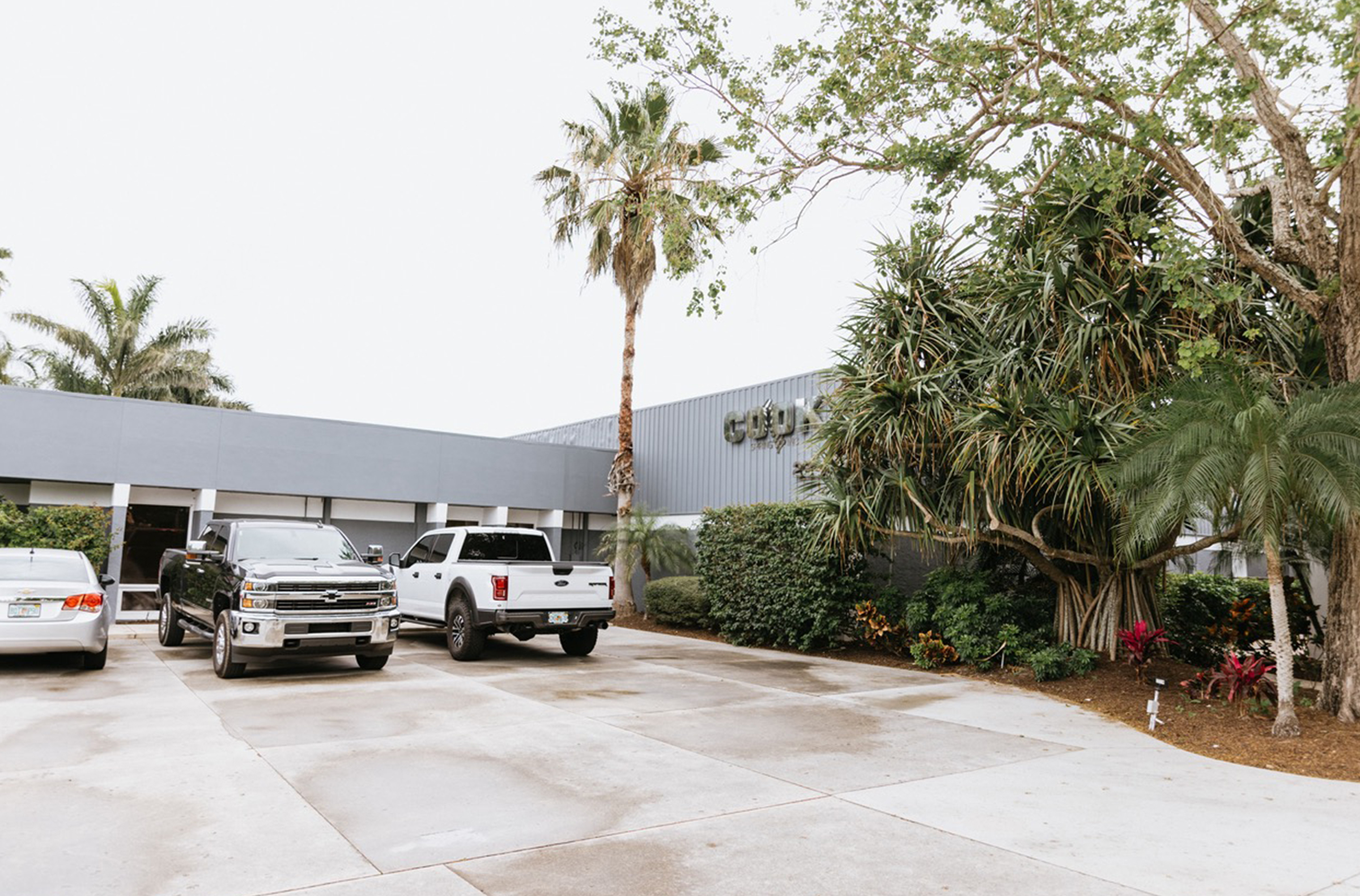
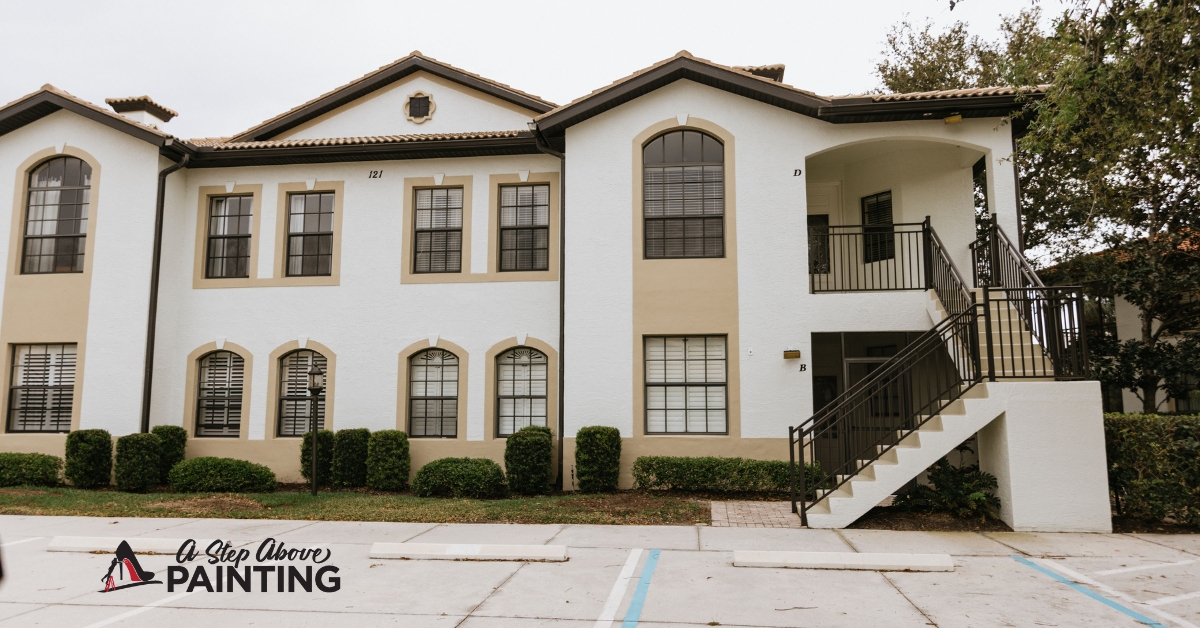
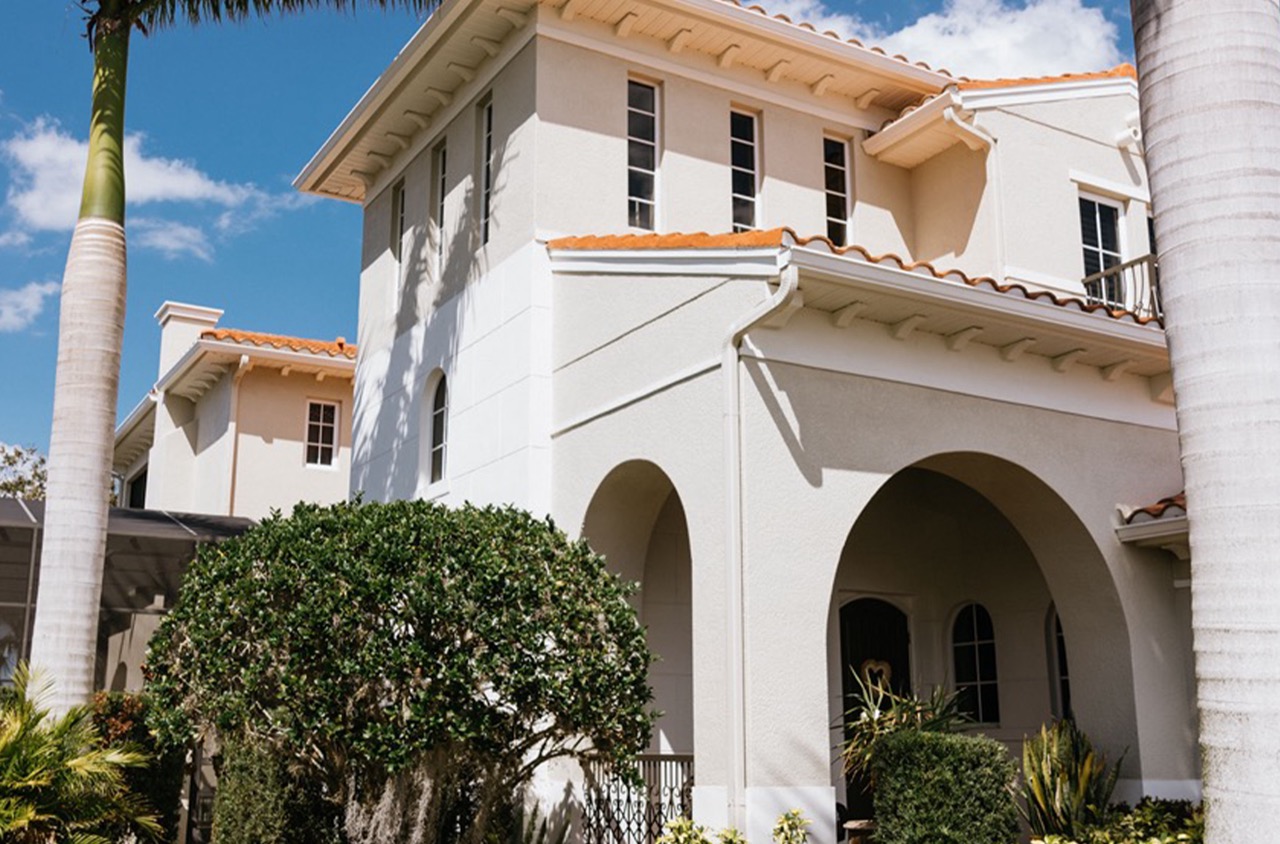
Creating cohesion between the interior and exterior of a property can significantly enhance its overall aesthetic appeal. This seamless transition is particularly crucial for businesses looking to create a welcoming atmosphere for clients. Here are some practical strategies for extending interior design elements outdoors, helping to maintain a uniform look.
Matching Color Schemes: One simple way to draw a link between your indoor spaces and your exterior is through color. Selecting a color scheme that aligns with your interior furnishings can create a harmonious look. Soft earth tones inside can be complemented by similar shaded paints or finishes on exterior facades. Consistent use of a signature color accent, whether through commercial signage or decorative elements, can effectively marry your designs.
Consistent Materials: Utilize similar materials across both spaces. If your interior boasts sleek metal fixtures, consider metal furniture or planters for your outdoor areas. Wood tones inside can extend to outside decks or fences. Material repetition not only maintains visual stability but can also be cost-effective, using leftover materials creatively.
Lighting Unity: Lighting serves both functional and aesthetic purposes. Integrating similar styles of lighting, like modern pendant lights inside and complementary outdoor sconces, harmonizes your areas. Importantly, ensure these lighting choices maintain proper illumination for safety and ambiance.
Flowing Floor Surfaces: If using tile or specific flooring inside, explore options for weather-resistant versions of these materials outdoors. Pavers or patio tiles can seamlessly extend the look of your interior floors, leading to patios or walkways. This continuation keeps spaces looking unified and emphasizes flow.
Nature-Inspired Elements: Greenery and natural elements can serve as an effortless bridge between indoor and outdoor environments. Indoor plants can reflect an exterior garden or patio space. Choose similar plant species or styles for containers that echo those found indoors—for instance, matching planters with motifs or colors akin to interior decor.
Aligning art and decor across both areas further establishes unity. Indoor artwork themes can be mirrored with outdoor sculptures or wall-mounted pieces, ensuring they suit outdoor conditions. Using weatherproof frames can help maintain the cohesion sought.
By putting these strategies into practice, you can extend the beauty and feel of your interiors into your business’s outdoor spaces smoothly and effectively.
Aesthetic Unity Across Areas
Creating aesthetic unity across different areas of a home or business can significantly enhance the overall appeal and cohesiveness of a space. It’s a strategy that involves carefully selecting paint colors, materials, and decorative elements to ensure seamless transitions between rooms or sections.
A straightforward approach is using a cohesive color palette. Choose two or three primary colors and use them consistently. For instance, if you decide on soft blues and neutrals, incorporate these in different ways throughout the space. In a home, the living room walls might be a soft blue, complemented by neutral furnishings. In an adjoining hallway, a neutral tone could dominate, with blue accents.
Similarly, the use of materials can help in unifying spaces. Repeating the use of wood, metal, or stone in various rooms or areas ties them together. For example, if a business office uses industrial metal shelving in the main workspace, incorporate smaller metal elements like light fixtures in adjoining conference rooms or break areas.
Textures play a crucial role as well. A space with varied textures can feel dynamic yet cohesive when thoughtfully executed. Combine different textures in consistent proportions. For residential spaces, if a velvet couch is the central texture of one room, adding small velvet touches in other areas, like cushions or throws, can echo and unify rooms.
Repetition of patterns can also establish unity. Whether in wall treatments, fabric prints, or flooring, consistent patterns can guide the eye from one area to another, creating a sense of flow.
Lighting significantly contributes to a sense of harmony and connection. Consistent lighting fixtures or bulb types can create an even atmospheric thread throughout different spaces. Opt for a similar style, whether it’s minimalist or vintage, to maintain continuity.
By strategically employing a unified design approach, spaces become inviting and cohesive, reflecting a thoughtfully constructed environment that’s both aesthetically pleasing and functional.
Next Steps
In the art of defining spaces through paint, each brushstroke holds the potential to transform not just the aesthetics but the very function of an environment. As colors and finishes are thoughtfully chosen to delineate distinct zones, a narrative unfolds that enhances both productivity and tranquility within any setting. Whether it’s segmenting a bustling office or blending home interiors with the serenity of outdoor spaces, strategic paint use is a versatile tool.
This thoughtful process requires expertise and creativity. At A Step Above Painting, we’re committed to turning your vision into reality with skilled painting services tailored to your unique needs. With a deep understanding of color theory and the latest techniques, we can help redefine your space, enhancing both function and form. Our team is ready to consult with you to achieve not just aesthetic value but a harmonious living or working environment.
Contact A Step Above Painting in Sarasota, Florida, for a free quote or consultation. Discover how our professional painters can elevate your space meticulously through the power of paint.