
Have you ever walked into a room and felt an immediate shift in mood? The colors surrounding us have a powerful psychological impact, and each painting style can contribute uniquely to an environment. Understanding the different styles is not merely an aesthetic choice; it aligns with the purpose and functionality of your spaces. Whether you aim for a modern minimalist look, are intrigued by the timeless charm of classical design, or seek the earthy warmth of rustic finishes, each style offers distinct characteristics that can transform any setting. In this article, we explore various painting styles and their defining features, offering insights on how they can be applied to create the perfect ambiance in your living or working spaces. Through these insights, you can make informed decisions that not only enhance visual appeal but also support the activity and mood intended for the area. As we delve into what defines each style, consider how they might reflect your personal taste and the atmosphere you wish to cultivate.
What Defines Each Style
Understanding different painting styles can transform a space and provide businesses with an edge in establishing their ambiance. Each style offers a unique expression, suited for varying environments and moods. Recognizing what defines each can aid in selecting what might best fit a particular space.
Traditional painting styles often focus on creating warmth and comfort. Using classic colors, these styles often involve soft, neutral palettes with harmonious tones that foster a welcoming environment. They’re prevalent in hospitality settings such as coffee shops and bed-and-breakfasts, where a homely feel attracts repeat visitors. For a business aiming to create this atmosphere, rich beiges or muted greens can be excellent choices.
On the other hand, modern styles are characterized by clean lines and bold colors or stark contrasts. They often incorporate primary colors or monochrome schemes to elicit a sense of innovation and efficiency, making them suitable for tech companies or contemporary retail spaces. Utilizing geometric shapes and minimalist aesthetics, these styles can foster an environment that feels forward-thinking and dynamic. For businesses looking to convey innovation, incorporating elements like accent walls in vibrant shades or using sharp contrasts can be effective.
Industrial styles use raw, unfinished designs and a palette of greys and whites to create utilitarian spaces. Exposed brick, metal fixtures, and open ceilings define this style, popular in urban environments. This can appeal to businesses such as startups or co-working spaces where an edgy, no-nonsense attitude is desired.
Eclectic styles pull from various eras and genres. This allows a business to express creativity and energy visually. Bold colors, mixed patterns, and an array of textures blur the lines between traditional and modern, making spaces feel vibrant and lively. This style suits environments like art galleries or boutique retail shops, where individuality is paramount.
Each painting style tells its own story, creating atmospheres that resonate with people differently. By understanding these key elements, business owners can effectively craft a space that aligns with their brand identity and customer experience goals.
Choosing a Balance
Finding the right balance between aesthetic appeal and budget-friendly decisions is vital for businesses planning a painting project. Understanding how to achieve this can significantly influence the success of your business environment.
Color selection serves as the foundation of this balancing act. While vibrant colors can enliven a space, they may not always be suitable for professional settings. Choosing neutral tones offers flexibility for business interiors, providing a versatile backdrop that can be easily adapted with changing business needs or interior decor updates. An efficient way is to include accent walls where a pop of color can invigorate the space without overwhelming it.
Quality should not be compromised, even within budget constraints. Premium quality paint may have a higher upfront cost, but it typically lasts longer and maintains its appearance over time, reducing the necessity for frequent repaints. Investing in high-quality paint can, therefore, be a cost-effective decision.
Another aspect to consider is timing. Scheduling painting projects during off-peak business hours minimizes disruptions, maintaining productivity. Late evenings or weekends often provide quiet times for such work, allowing painters to operate without interfering with daily functions.
Surface preparation can also save future costs. Invest time and resources in proper cleaning and priming of surfaces before applying paint. This step ensures better adhesion and longevity, which means the initial expense pays off with extended surface life.
Creating a balance also involves prioritizing projects. Identify areas that require immediate attention versus those that can wait. This approach allows you to allocate resources more effectively, addressing urgent needs first while planning for less critical updates in phases.
Finding harmony in painting projects for businesses involves thoughtful color choices, strategic budgeting, and smart scheduling. These steps ensure that your space remains both inviting and economically viable for the long-term health of your business presence.
Leveraging Each Strength
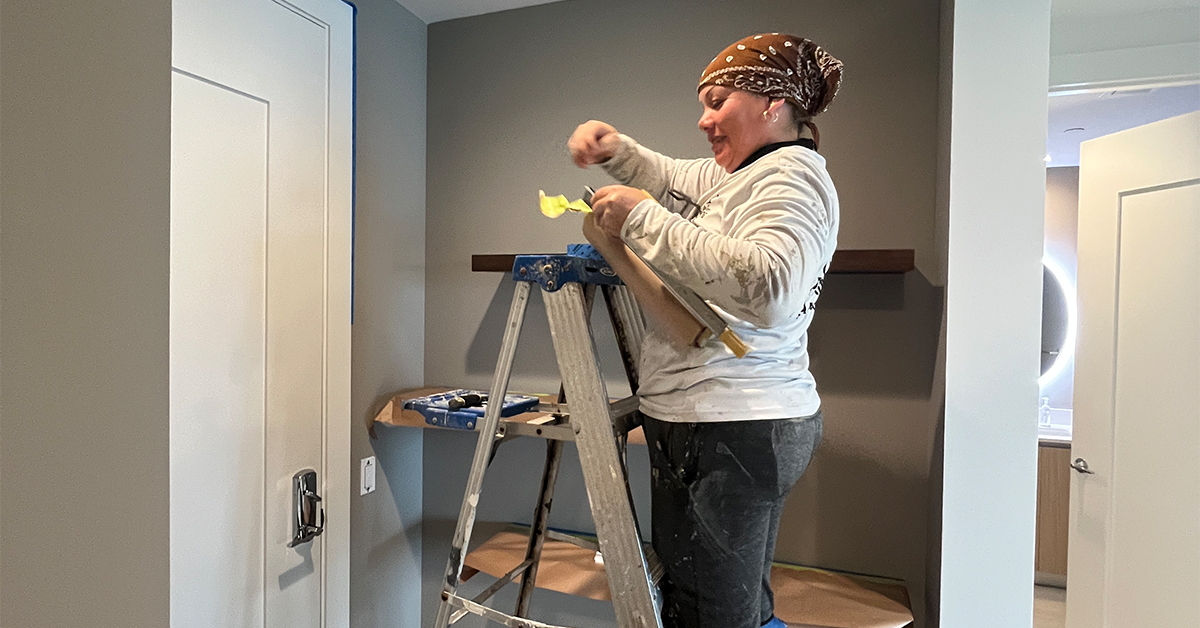
Incorporating the individual strengths of each team member can significantly enhance the efficiency and output of a painting business. Identifying and leveraging these varied abilities not only optimizes project execution but also fosters a collaborative work environment.
Begin by observing team members in action to understand their skills. For example, one employee might excel at intricate detail work, making them a perfect candidate for tasks involving precision like trim or delicate surfaces. Another might have a knack for efficiency and speed, ideal for base coat applications over large areas.
Consider implementing a skills assessment, not as a formal test, but as part of routine projects. By rotating tasks slightly, employees naturally gravitate towards areas that suit them best. This not only helps refine team strengths but also reveals any overlooked skills. Documentation can assist in aligning the right person with the right task.
Team meetings should extend beyond status updates, encouraging open discussions about what tasks individuals find most engaging and where they feel their strengths lie. This dialogue can reveal unrecognized skills and preferences, informing future project assignments.
Cross-training offers another layer of strength enhancement. When employees understand multiple facets of your painting services, they become more versatile. If a team member with expertise in exterior painting can lend insight and tips to colleagues focused on interior projects, it enriches the team’s overall capacity and projects benefit from diverse perspectives.
Promoting an environment where initiative is encouraged is vital. Employees willing to take on challenging tasks often unlock hidden potential. This doesn’t just enhance individual skills but cultivates innovation and problem-solving as team members learn from experience.
To maintain continued progress in leveraging strengths, feedback should be a two-way street. Constructive feedback from management coupled with employee input allows adjustments that bolster individual contributions. By appreciating each person’s unique capabilities, a business not only maximizes productivity but also fosters a professional setting where every team member thrives.
Next Steps
In exploring the nuanced balance between minimalism and maximalism in paint selection, it becomes evident that effective choices hinge on understanding the dynamics of color and space. Minimalism, characterized by simplicity and functionality, can create serene environments where focus is key. This approach tends to use monochromatic palettes or soft hues, allowing other design elements to breathe. Conversely, maximalism provides a vibrant, eclectic canvas, encouraging bold color choices and layered textures that make a space feel alive and personalized.
Selecting paint involves more than choosing a color; it’s about envisioning how that color will interact with light, complement existing surroundings, and support the intended emotional environment. For those in search of guidance, professional insight can provide clarity and ensure the chosen direction aligns seamlessly with your vision.
At A Step Above Painting, our expertise spans a wide range of styles, offering a curated approach that caters to both minimalist and maximalist sensibilities. Whether you favor the understated elegance of a minimalist palette or the dynamic flair of maximalism, striking the right balance can be transformative. We invite you to contact us for a free quote or consultation to explore how we might bring harmony to your space, enhancing its individuality and functionality simultaneously.