
Imagine a wall so alive with color that it seems to breathe each time the sun’s angle shifts. Achieving such depth in painting is more art than science, and it hinges on the transformative power of layering. This technique involves applying multiple layers of paint to create dimension, nuance, and richness, turning ordinary surfaces into captivating expressions of style. Layers invite the viewer to look deeper, uncovering the intricacies of textures and tones that a single coat cannot convey. Whether it’s the soft matte finish desired in a contemporary living space or the vibrant gloss required for a commercial façade, mastering the art of layering offers boundless possibilities. This method not only amplifies aesthetic appeal but increases durability by providing a robust barrier against environmental influences. As such, layering is a crucial approach for anyone looking to elevate the quality and longevity of painted surfaces.
Achieving Depth Through Layers
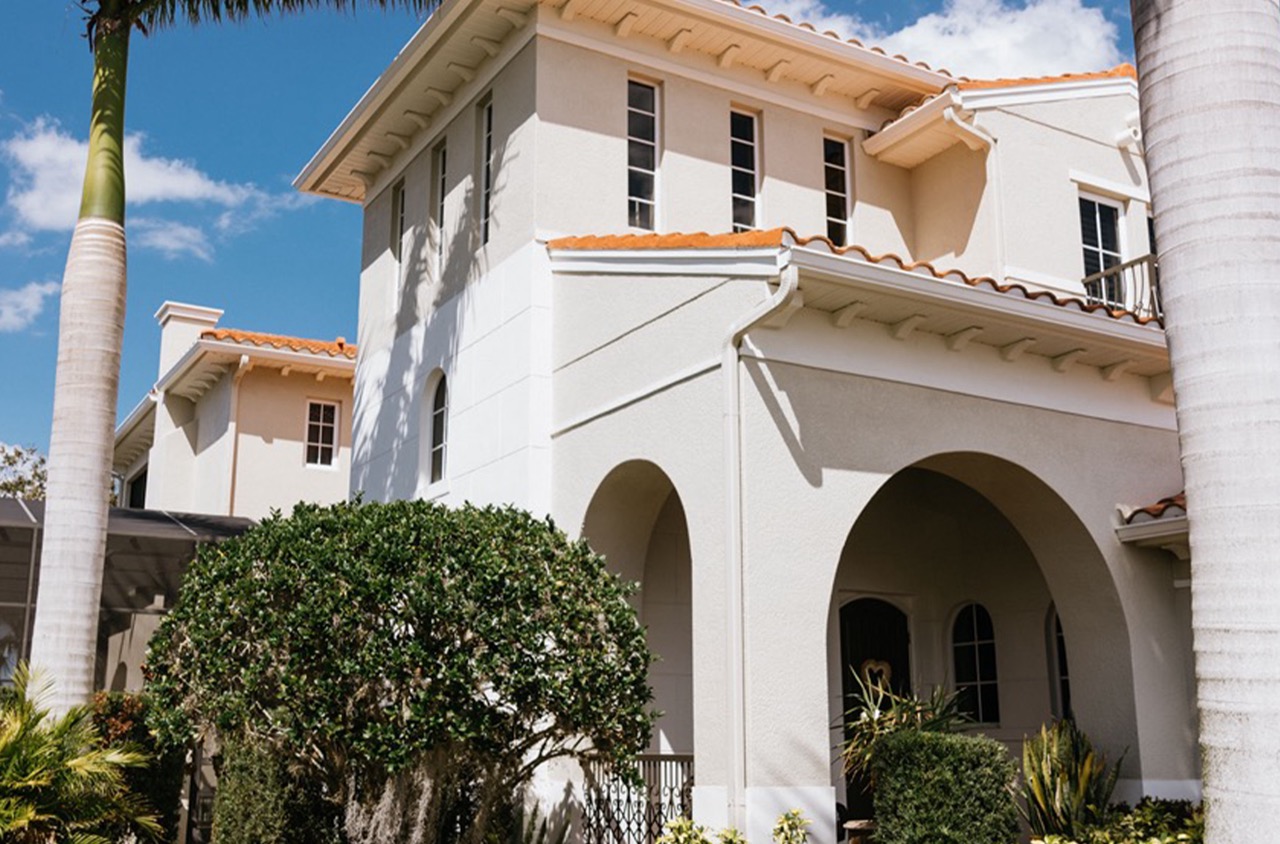
Achieving depth through layers in painting involves a thoughtful approach to applying multiple coatings of paint that create a rich, dynamic finish on walls and other surfaces. Whether renovating a Florida home or updating a commercial space in Sarasota or Manatee Counties, mastering this technique enhances the overall aesthetic and longevity of the project.
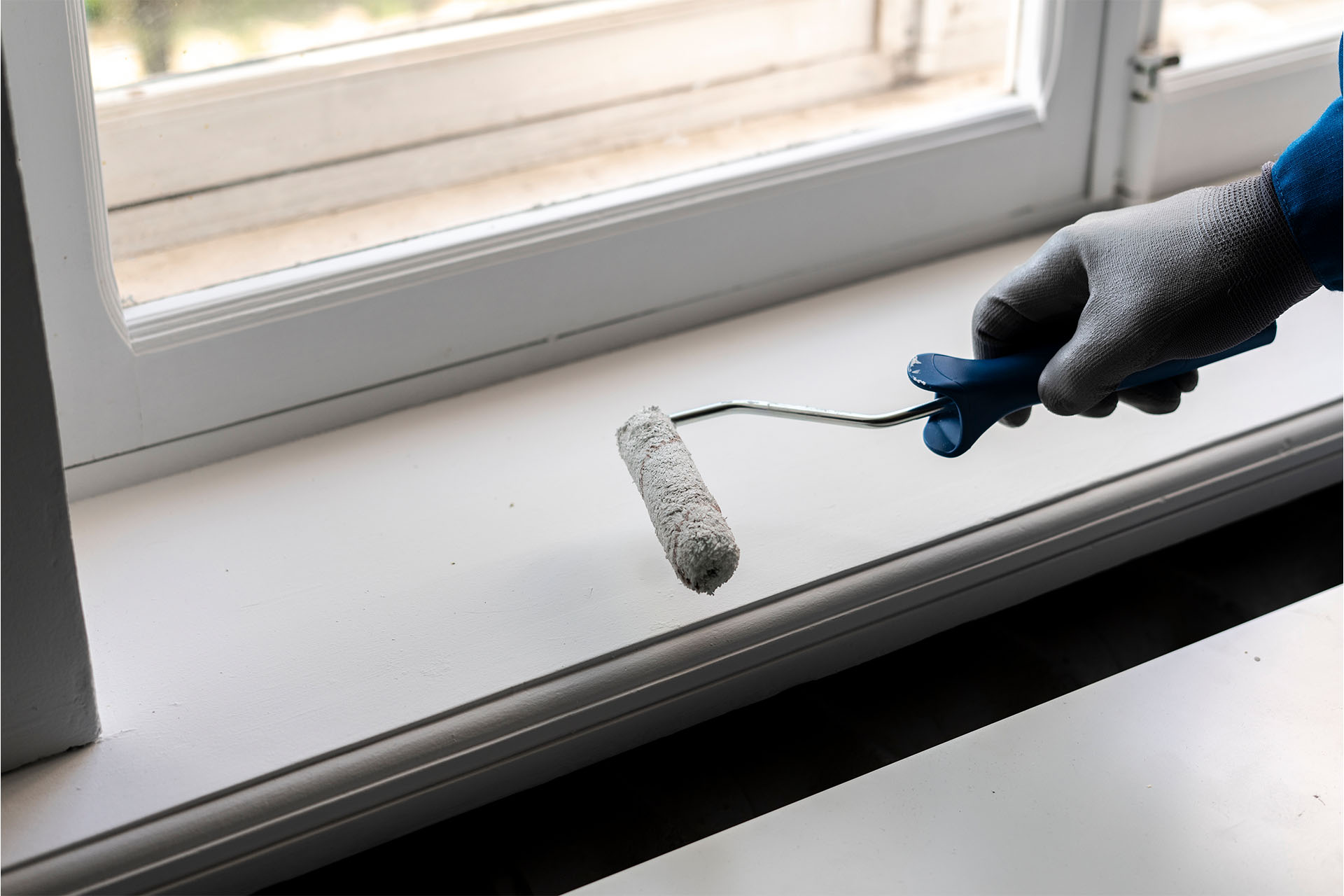
Begin by preparing the surface thoroughly. Good surface preparation ensures each layer of paint adheres well, which is crucial for achieving depth. This includes cleaning, sanding, and priming walls to create an ideal foundation. Skipping these steps can prevent the paint from delivering the desired richness.
Select the right type of paint. Each layer plays a role in building depth, so choose paints that complement each other. A common practice involves using a matte or eggshell finish for the base layers to provide a solid foundation. Then apply glossier paints for upper layers to add dimension. This contrast elevates the visual appeal and brings out textural qualities.
Understand the importance of timing between layers. Allowing adequate drying time is essential for each coat to settle correctly. Rushed layers can lead to a blotchy, uneven look, negating the depth you aim to achieve. Always follow the timing guidelines on the paint can, and note that humid weather in Sarasota may necessitate extended drying times.
Utilize techniques like glazing or color washing for added complexity. These methods involve applying a translucent color over a dry base coat, subtly altering the top layer’s hue. They create a multi-dimensional effect that captures light differently, enhancing the perception of depth.
Finally, remember that less is sometimes more. While layering can significantly add to a space, excessive layers can overwhelm the design. A balanced approach, considering both the number of layers and the choice of finishes, ensures that the depth complements rather than dominates the space. The aim is to enhance the space without burdening it with unnecessary complexity.
Combining Textures and Colors
The art of blending textures and colors can transform any space into a masterpiece. In both residential and commercial settings, the right textures and colors can evoke moods, accentuate architectural features, and showcase personal style.
Start by considering the psychology of colors. Different colors can create various atmospheres. For instance, blue often promotes tranquility, making it suitable for bedrooms or office break rooms. Red can energize a space, so it might be best in areas where you want to encourage conversation, like dining rooms or cafes. Choosing the base color can guide subsequent design decisions.
Next, explore texture. Contrast smooth and rough surfaces to add depth. Try painting one wall in a matte finish while highlighting another with a glossy or metallic sheen. This variation captures light differently, adding intrigue. Textured paint or wall treatments, like Venetian plaster or sand-textured finishes, provide an additional layer of complexity that can either mimic natural elements or introduce a modern twist.
Consider the interplay of light and color. Natural and artificial lighting change how colors and textures appear at different times of day. Test samples to see how they interact under various lighting conditions. A color that looks warm and inviting in the morning may appear harsh under fluorescent lights.
Balance is vital. If you choose a bold texture, opt for muted colors to avoid overwhelming the space. Conversely, vivid colors might be partnered with subtle textures to keep the look cohesive.
Architectural features offer opportunities to combine textures and colors creatively. Highlight moldings or alcoves with a complementary color to the primary wall color to draw attention to these elements. In commercial spaces, this technique can subtly guide the flow of movement by delineating paths or areas within open-plan environments.
Experiment on smaller surfaces before committing to larger areas. This approach reduces risk and provides a physical reference, ensuring the final design aligns with your vision. Properly combining textures and colors doesn’t just alter a space; it can redefine how a space is perceived and used.
Advanced Techniques for Professionals
Professional painters aiming to elevate their skills often embrace advanced techniques that go beyond the basics. These methods not only enhance project outcomes but also set a business apart in a competitive market. Learning and mastering these techniques can lead to a more efficient workflow and superior finish.
One noteworthy technique is the use of color blocking. This method adds depth and interest by painting sections of a wall in different shades or contrasting colors. It requires careful planning and precise execution. To start, choose colors that complement each other. Use painter’s tape to create clean, crisp lines. For best results, pull the tape off while the paint is still damp to prevent it from peeling dried paint away.
Another advanced approach is glazing. This technique involves applying a translucent layer of paint over a solid color to achieve a textured look. It requires a glaze medium mixed with the paint. The application can be done with brushes or sponges depending on the desired effect. Practice on smaller surfaces to perfect blending techniques before tackling larger areas. Glazing can simulate various materials such as marble or wood by mimicking their intricate textures.
Faux finishes are popular for adding sophistication to a space. They can replicate the look of stone, wood, or even polished plaster. Techniques like sponging, ragging, and stenciling fall under this category. It’s crucial to select the right tools and invest in high-quality paint to achieve authentic-looking results. Texture and depth are what make faux finishes stand out, so learning how to layer the paint effectively is vital.
Brush-up on sprayer skills for larger commercial projects. A sprayer can drastically cut down on painting time for exterior walls or expansive interior spaces. It produces a smooth, even coat but requires practice to control overspray and achieve consistent coverage.
Precision is key in advanced painting techniques. Mistakes are minimized through meticulous planning, preparation, and practice. Each project is an opportunity to refine skills, contributing to a reputation for high-quality work. These techniques do not only enhance a painter’s artistry but also broaden the range of services a painting business can offer, appealing to a more diverse client base.
Next Steps
Incorporating layered painting techniques elevates surfaces from mere backdrops to engaging visual stories. The structural depth achieved by meticulous layering not only sacrifices monotony but enriches the living or working environment with character and resilience. Each project, whether intimate spaces or expansive commercial canvases, benefits from these techniques as they stand against the test of time and wear.
Perfecting this artistry, as explored, requires more than color application—it demands an appreciation of how each layer interacts with light, room dynamics, and existing architectural features. As a painter or a client with a vision, understanding these nuances opens the door to unprecedented expressiveness and striation.
Whether you’re a homeowner in Sarasota seeking to reimagine your living space or a business in Manatee County aiming for a strong visual impact, the expertise offered at A Step Above Painting awaits you. Contact us today for a free quote or consultation to explore how we can turn your inspiration into a painted reality that lasts.