

As the seasons change, so does the opportunity to refresh your living space. Transitioning the colors of your home for spring and summer doesn’t merely enhance aesthetics; it reflects the vibrant rejuvenation found in nature. Lighter shades paired with playful accents can breathe life into interiors, creating an inviting atmosphere that mimics the warmth of a sunlit day. Whether you’re considering a full repaint or a few accent changes, the palette you choose can redefine the feel of your rooms. How do you select colors that not only complement each other but also invigorate your space for the seasons ahead? Understanding trends, experimenting with hues inspired by your surroundings, and thinking about the mood you wish to evoke are key considerations. The journey of transitioning colors offers a chance to reinvent your home, ensuring it resonates with the fresh beginnings spring and summer bring.
Transitioning Colors for Spring and Summer
As the warmer months approach, introducing fresh colors into your business space can invigorate the atmosphere and create a refreshing experience for clients. Transitioning paint shades for spring and summer involves understanding the interplay of light, color psychology, and thematic coherence that aligns with your business’s identity.
Start with lighter hues. Light colors reflect more light, making spaces appear larger and inviting. Pastels like soft blues, gentle greens, or pale yellows evoke calm and positivity. These shades can make offices feel more spacious and airy, especially beneficial for small spaces.
For businesses looking to inject a vibrant touch, consider accent walls. Choose a wall in the entrance or a highlight area to paint in bolder hues—think coral, seafoam green, or sunflower yellow. These colors offer a lively contrast to neutral tones while maintaining professionalism. Ensure that these accents do not overwhelm but rather complement the existing decor.
Natural light plays a crucial role in enhancing these transitions. During these seasons, maximize natural illumination by choosing semi-gloss or satin finishes. These finishes help bounce light around rooms, adding depth and warmth. Consider the orientation of natural light to choose suitable shades; south-facing rooms with ample sunlight can comfortably handle cooler tones.
For businesses catering to children or with a family-friendly vibe, playful palettes can be effective. Murals or patterns using bees and butterflies can evoke seasonal joy. These elements can be particularly captivating in waiting rooms or common areas, providing visual interest without disturbing professional aesthetics.
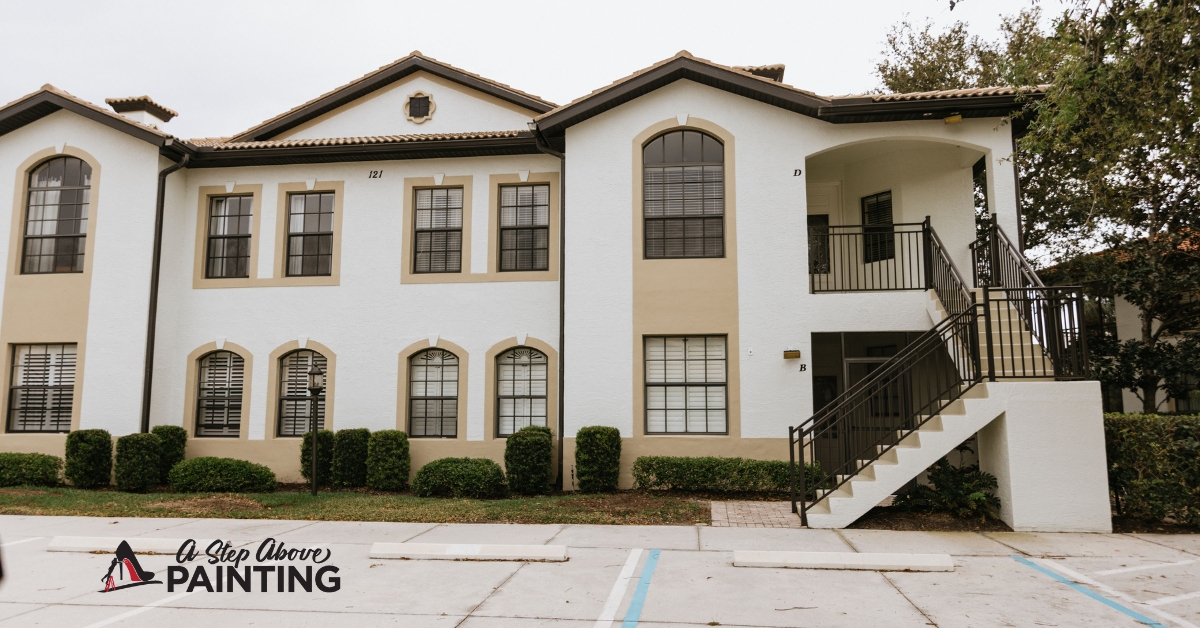
Don’t overlook the exterior, as it serves as the first impression. Refreshing your exterior with lighter shades accented by vivid trim can attract passersby. Use moisture-resistant paints to withstand summer showers and maintain vibrant finishes.
Applying these practical tips ensures your business visually engages clients while embracing the seasonal spirit through thoughtful design choices.
Warm Hues for Fall and Winter
As fall and winter approach, many businesses are looking for ways to refresh their interiors with warmer hues. Understanding the psychological impact of color can help create inviting and productive environments. Warmer hues—such as deep reds, burnt oranges, and golden yellows—evoke feelings of comfort and coziness. These shades are particularly effective in retail spaces or restaurants where a welcoming atmosphere can encourage customers to linger longer.
Choosing the right warm hues involves more than just selecting a paint swatch. Consider the natural light in your space; darker shades can make a well-lit area feel intimate, while lighter hues can brighten up spaces with limited daylight. For businesses that entertain clients or hold meetings, consider painting an accent wall in a deep cranberry or rust color. This can draw attention to key areas without overwhelming the entire room.
In addition to wall colors, incorporate warm hues through furniture, artwork, or small decorative items. Textiles like cushions and curtains in rich, warm shades can add depth and interest to the visual space without committing to a full redecoration. For offices or lobbies, consider an area rug in a warm earth tone, offering a touch of warmth underfoot while contributing to the overall aesthetic.
Layering shades of the same color family can create a dynamic look that appears both deliberate and sophisticated. Pair a deep chestnut with a softer cream tone, allowing the bold color to take center stage while the neutral hue balances the palette. This approach helps keep the environment engaging without being overpowering.
Remember that the goal is to create a harmonious environment that aligns with your brand’s image and meets the functional needs of your space. Applying these practical tips can transform your business environment into a warm, inviting space ideal for the chillier months ahead.
How to Adapt Your Interiors with Seasons
As seasons shift, your surroundings can echo these changes subtly yet effectively. This doesn’t mean overhauling your entire interior; small, thoughtful adjustments can reflect the spirit of each season. Let’s explore some practical steps for seasonal interior transformations without overwhelming your space or budget.
Start with color. Spicing up your interior with colors that mirror the season’s palette is a simple yet impactful approach. During winter, opt for deeper shades like navy or forest green to create warmth and coziness. As spring arrives, introduce pastels or fresh greens to uplift mood and instill a sense of renewal. In summer, incorporate cool blues and whites to refresh living spaces. Autumn can be celebrated with rich oranges and earthy browns to echo the foliage outside.
Fabrics and textures can play a vital role in adapting to the seasons. Swap out lightweight summer curtains with thicker, more insulating ones in winter to add warmth. Integrate textures such as wool or velvet in your cushions during colder months for added coziness. For warmer periods, lean towards cotton or linen to keep the atmosphere light and breezy.
Lighting can dramatically influence the mood within your home. As daylight wanes in fall and winter, enhance interior lighting with strategically placed lamps, warmer bulbs, and dimmers to create inviting spaces. In contrast, maximize natural light in spring and summer by using sheer curtains and rearranging furniture to make rooms feel bright and airy.
Lastly, consider nature-inspired décor. A vase of seasonal blooms immediately brings a breath of fresh air. In fall, think dried flowers or branches. During winter, pine cones or eucalyptus can add a festive touch. Spring and summer allow for a burst of color with fresh, vibrant flowers.
Adapting interiors seasonally allows you to embrace change. Whether it’s a shift in colors, fabrics, lighting, or natural elements, these adjustments invite the charm of each season into your space.
Next Steps
Incorporating seasonal color transitions into your home or business does more than update aesthetics; it creates an adaptable atmosphere that mirrors nature’s cyclical beauty. Whether small changes like accent wall adjustments or larger undertakings such as a full repaint, understanding the delicate balance of color, light, and texture can significantly enhance your interior and exterior environments.
By embracing seasonal hues, textures, and lighting, your spaces become dynamic canvases that can evolve throughout the year. These intentional choices not only refresh the physical environment but can also inspire creativity and productivity, making your space welcoming regardless of the season.
If you’re considering a color update and need expert advice, the team at A Step Above Painting is ready to help. Our comprehensive knowledge of color trends and local conditions ensures that your surroundings are both stunning and practical throughout the year. Contact us today for a complimentary quote or consultation to explore how we can transform your space and keep it looking elegant year-round.