
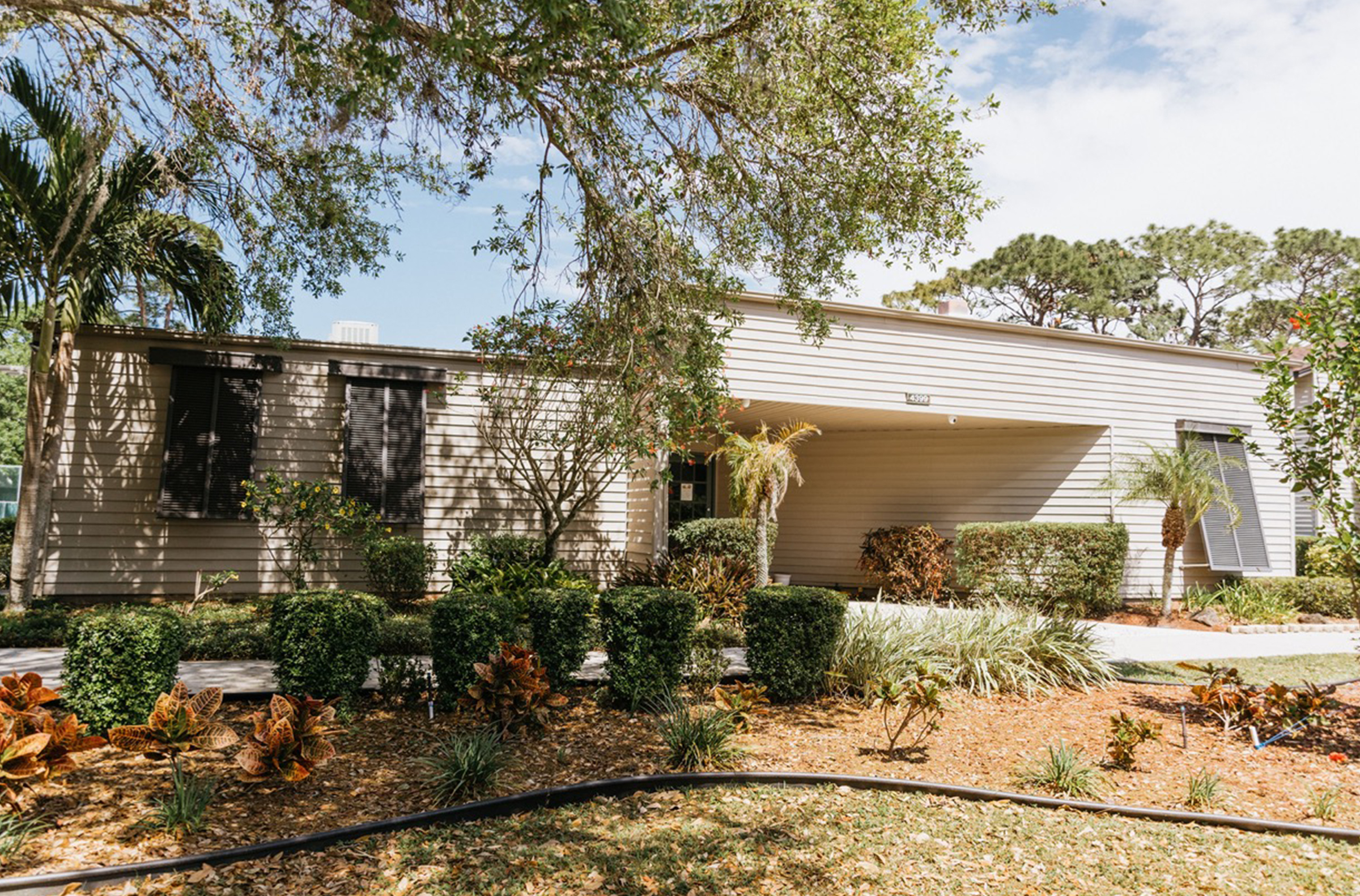
Can a fresh coat of paint redefine the aesthetics of your space? A growing number of homeowners and businesses in Sarasota and Manatee Counties are discovering just how transformative paint can be in achieving a contemporary look. This style, characterized by its clean lines, minimalist approach, and neutral palette, calls for a thoughtful selection of colors, textures, and finishes. A successful contemporary look often starts with the right background, where walls act as a canvas to accentuate open spaces and highlight sleek furnishings or architectural features. Whether it’s a subtle shade of gray or a crisp white that reflects ample natural light, the choice of paint plays a crucial part in creating an environment of sophistication and simplicity. Understanding the nuances of color selection and application techniques can help ensure a seamless transition to a modern aesthetic. Discover how expert painting services can guide you in modernizing your space with precision and flair, elevating every room to a new standard of contemporary elegance.
Evoking a Contemporary Look
Creating a contemporary look in any space benefits greatly from the choice of colors and finishes. Today’s business environments, whether retail or office spaces, are leaning towards sleek, sophisticated designs that remain functional yet visually appealing.
Color selection plays a pivotal role in evoking a modern aesthetic. Neutral tones such as soft grays, muted whites, and earth tones are trending as foundational colors. These shades provide a calming backdrop, helping to enhance other design elements such as furniture and décor. To maintain an inviting atmosphere, pair neutrals with bold accent colors. Incorporating small areas of vibrant hues—through a feature wall or decorative elements—can inject energy and focus into an otherwise minimalist space.
Texture also contributes significantly to contemporary aesthetics. Utilizing various paint finishes can add depth and interest. Matte finishes lend an understated elegance that is both classy and modern. Semi-gloss paint, on the other hand, works well for highlighting architectural features, offering a subtle sheen that catches the eye without overwhelming the senses. For businesses looking to maintain clean and sleek appearances, washable and durable paints are practical choices, given their resistance to stains and ease of maintenance.
The use of geometry in design elements can further accentuate a contemporary vibe. Consider using stripes, patterns, or geometric shapes in strategic painting areas like the ceiling or portions of the walls. Such designs create visual interest and can serve as focal points within your space. You might even explore dual-toning to establish contrast and highlight features.
Lighting also affects perception of color and space. Natural light amplifies bright tones and makes spaces appear larger, whereas artificial lighting may alter how colors look. LED lighting is a practical choice; it provides clear, consistent illumination without affecting color integrity.
Cohesively blending these elements is about simplicity and balance, keeping spaces uncluttered yet visually engaging. With the right use of colors, finishes, and texture, any space can evoke a contemporary look that reflects modern trends while meeting business needs.
Managing Sun Exposure
Sun exposure management is crucial for maintaining durable and vibrant paint jobs, especially in sunny regions like Sarasota and Manatee Counties. Sunlight can quickly deteriorate building exteriors, causing fading, peeling, and cracking. It is essential to implement strategies that mitigate these effects, ensuring a longer-lasting paint finish.
A practical method is to choose the right type of paint. Opting for paints labeled as UV-resistant can significantly reduce damage from harsh sunlight. These paints contain additives that help withstand UV rays, thereby maintaining color and integrity over time. Acrylic paints often have strong resistance to UV damage and are ideal for exterior surfaces under constant sun exposure.
Colors also play a vital role in sun exposure management. Light shades, such as pastels or whites, reflect more sunlight than darker hues. While darker colors absorb more heat and may fade faster, they can still be used effectively with a high-quality UV-resistant finish. It’s important to balance aesthetic desires with functionality when selecting a color scheme.
Regular maintenance is another key strategy. Inspections should be scheduled every year to identify early signs of sun damage, allowing for prompt touch-ups before minor issues escalate into major problems. During inspections, watch for chalking, a common symptom of UV deterioration, where paint forms a powdery residue on the surface.
Moreover, considering architectural modifications might be worthwhile. Adding awnings, pergolas, or strategic landscaping like trees or large plants can create shade, reducing direct sun exposure to vulnerable surfaces. These additions not only protect the structure but can also enhance the visual appeal, adding to property value.
Businesses and homeowners should consider these sun management techniques to prolong the effectiveness of paintwork. By selecting appropriate materials, maintaining regular checks, and potentially adding shading architecture, the life of both commercial and residential exterior paint applications can be significantly extended.
Balanced Aesthetics
Balanced aesthetics play a significant role in both residential and commercial painting projects. The harmony of colors and design elements is crucial not only for creating a visually appealing space but also for positively impacting mood and productivity. For businesses, a well-chosen color palette can distinguish their brand and influence customer behavior, while in homes, it can enhance comfort and value.
Understanding color theory is essential for achieving balanced aesthetics. Color theory addresses the relationships between colors and their combined impact. It guides you in selecting complementary, analogous, or monochromatic color schemes for a cohesive look in any space. For instance, complementary colors, such as blue and orange, create high contrast and form energetic environments suitable for creative spaces or retail settings. Alternatively, analogous colors, like blue and green, offer a more serene and harmonious feel, ideal for calming spaces like bedrooms or professional offices.
In commercial settings, integrating brand colors can further strengthen visual identity. Incorporating these signature shades subtly into wall accents, furniture, or decor enhances brand recognition without overwhelming the environment. It’s advisable to work with a professional painter familiar with commercial spaces, as they can suggest precise shades and finishes that communicate professionalism and quality.
Lighting conditions in a space also significantly impact how colors are perceived. Natural and artificial light can alter color appearance, influencing the overall aesthetics of a room. Conducting tests with paint samples under different lighting conditions to assess how various shades interact is recommended. Additionally, consider the room’s purpose and select colors that reflect the mood you want to create. For example, warm tones in dining areas can stimulate appetite and conversation, while cooler tones in a meeting room can encourage focus and relaxation.
Texture and finish offer more depth and interest to a space. Matte finishes tend to hide imperfections and create a softer look, while glossy finishes are more reflective, adding a touch of sparkle and vibrancy. Mixing textures with contrasting materials like wood and metal can introduce a dynamic element to the decor.
In achieving balanced aesthetics, the simplest element often overlooked is scale and proportion. Ensure that patterns, furniture, and decor fit the room size appropriately. Large patterns in small spaces can overwhelm, while intricate details might get lost in larger rooms. By considering scale, your design will feel cohesive and intentional.
Balanced aesthetics aren’t merely about color choices. They involve an intricate blend of visual elements, light, and purpose, all working symbiotically to create an environment that feels just right.
Next Steps
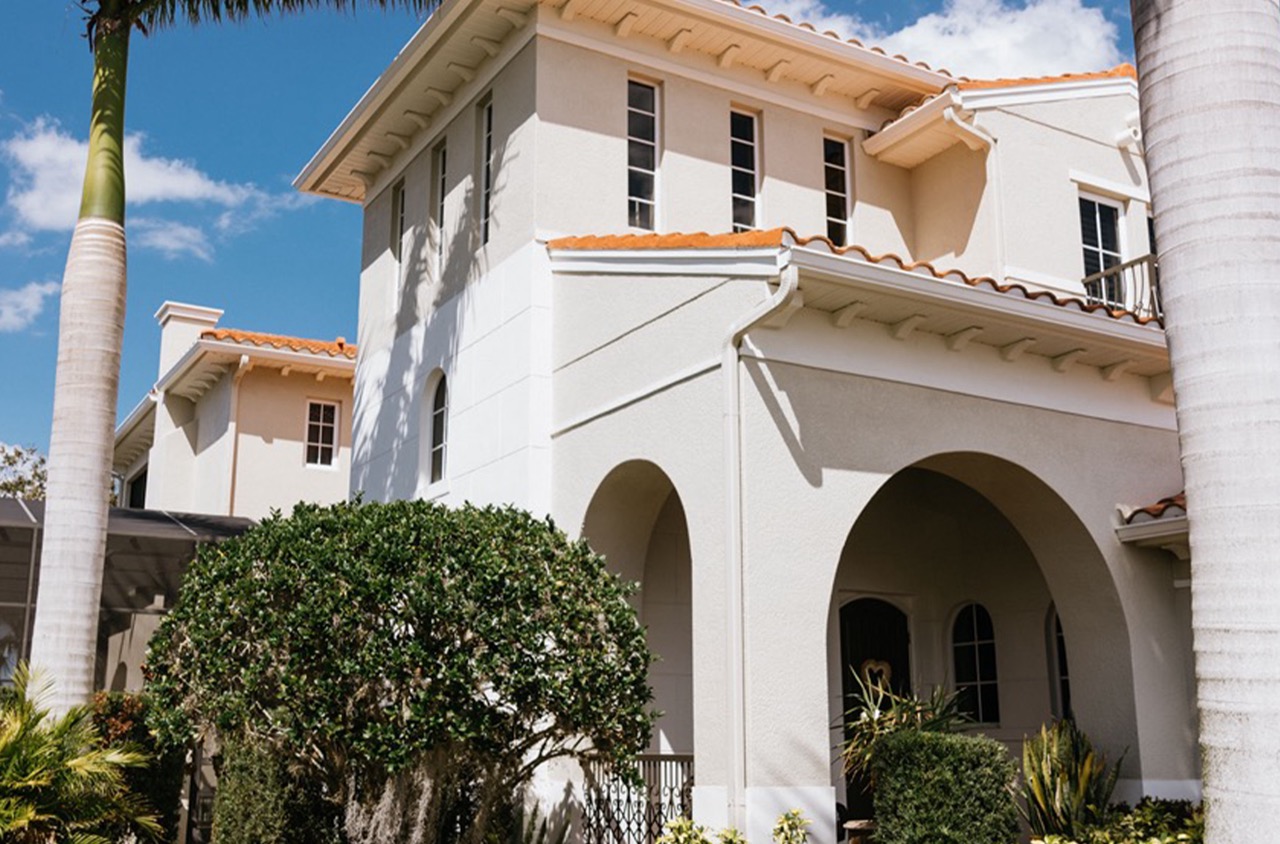
As you contemplate reimagining your exteriors, modern shading techniques play an instrumental role in prolonging the lifespan and vibrancy of your property’s paint. By strategically incorporating elements like awnings, pergolas, and shade-providing landscaping, you mitigate the harsh effects of relentless sun exposure common in Sarasota and Manatee Counties. These not only shield your surfaces from UV damage but also enhance curb appeal and contribute to energy efficiency by regulating indoor temperatures.
Choosing the appropriate combination of UV-resistant paints and proactive sun management strategies helps ensure enduring protection and aesthetic superiority. Prioritizing these modern shading techniques is a wise investment, which maintains the elegance of both commercial and residential spaces.
If you’re ready to protect and transform your exteriors, engage with our painting experts at A Step Above Painting. We offer tailored solutions and industry insights to guide your project from conception to execution. Contact us today for a free quote or consultation, and discover how our professional services can elevate your property’s facade with precision and flair.