
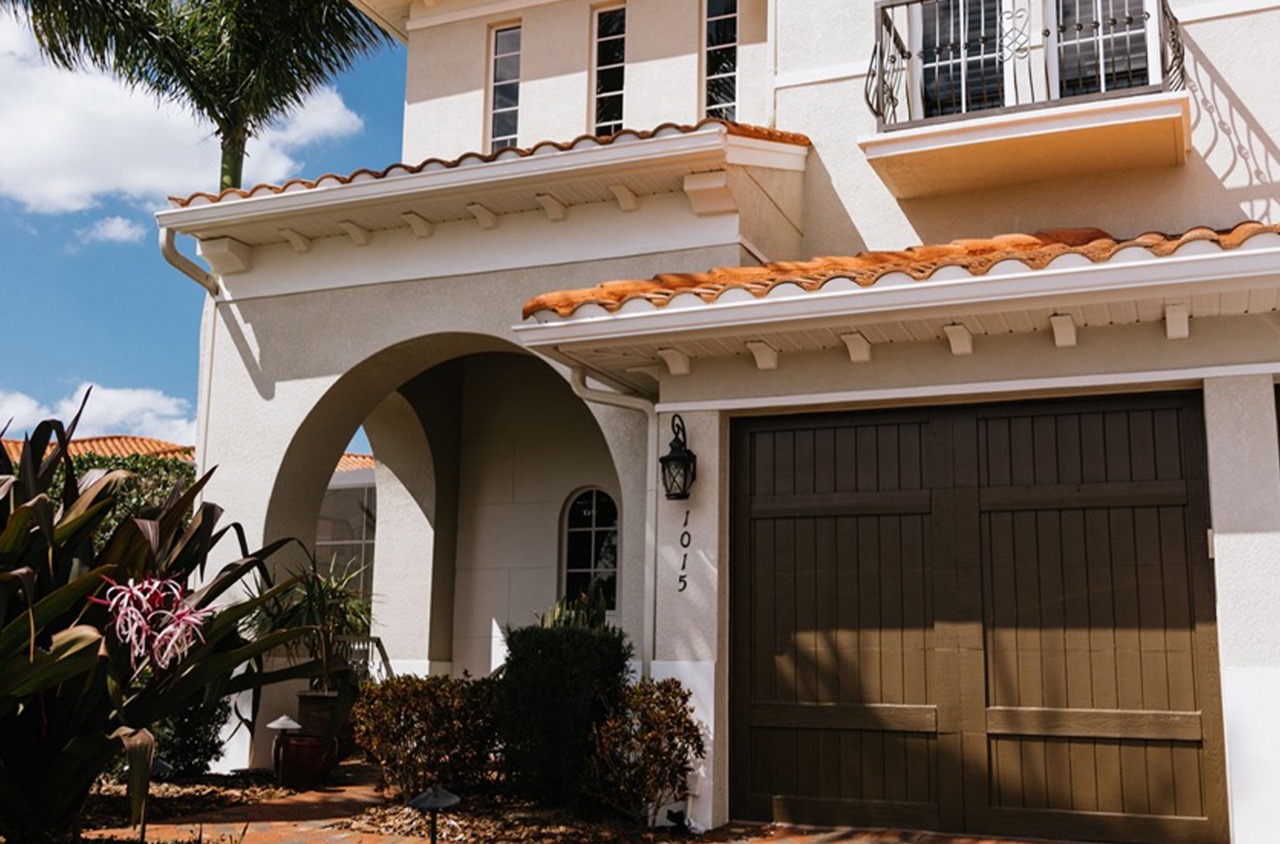
Touch-ups make sense when the paint is still under a few years old, the color hasn't shifted much, and the damage is limited to a few small spots. Once paint has faded unevenly, chalked, or is more than a few years old, a touch-up usually stands out more than it hides — and a full repaint becomes the better move. Here is how to tell which situation you're in.
The Flashing Problem: Why Touch-Ups Sometimes Don't Blend
"Flashing" is when a touch-up patch shows up as a slightly different sheen or shade than the surrounding wall, even with the exact same paint can. It happens because the original paint has aged, faded, or changed sheen slightly over time — factors a fresh dab of paint from the same can can't replicate. Flashing is most noticeable on walls that catch strong light, like a hallway near a window or an exterior elevation that gets full sun, and least noticeable in low-light areas like closets or covered lanais.
Technique affects flashing too. A touch-up rolled on with a different tool, nap, or application pattern than the original coat can leave a slightly different texture even when the color is a perfect match — which is why feathering the edges and matching the original application method both matter as much as the paint itself.
Florida Sun Fades Paint Faster Than You'd Think
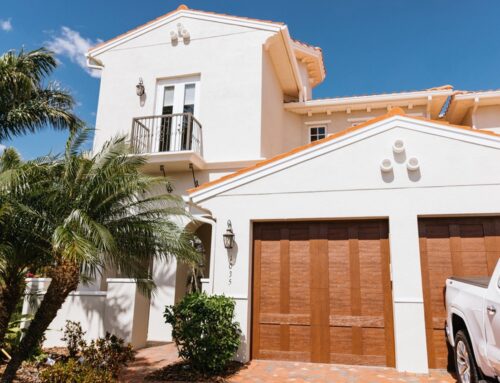
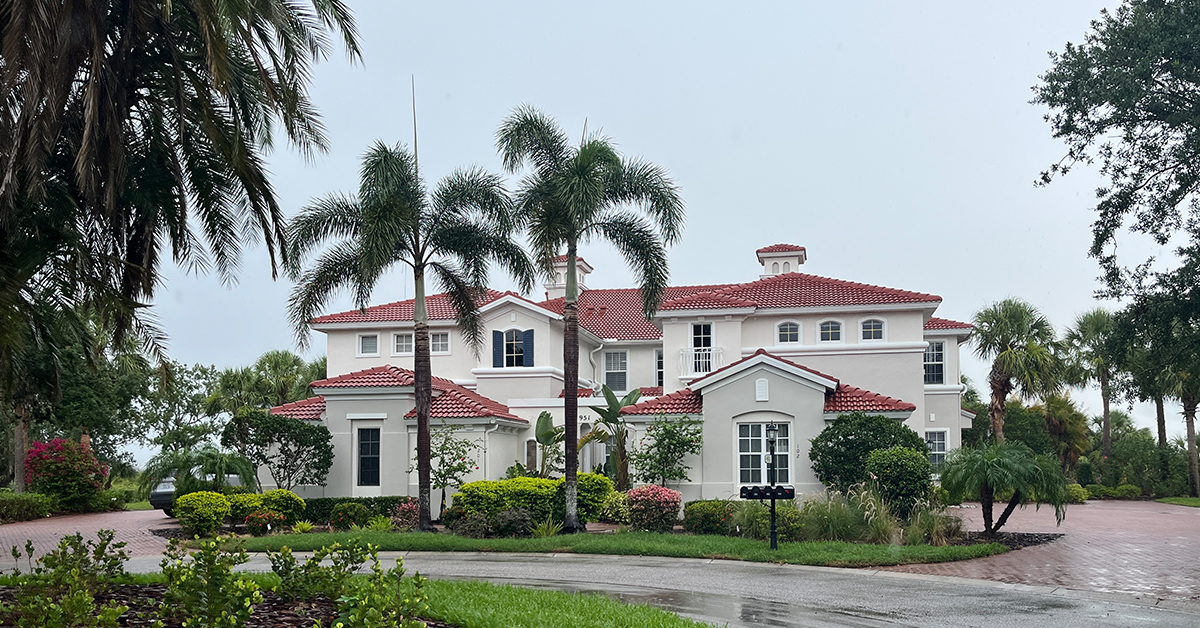
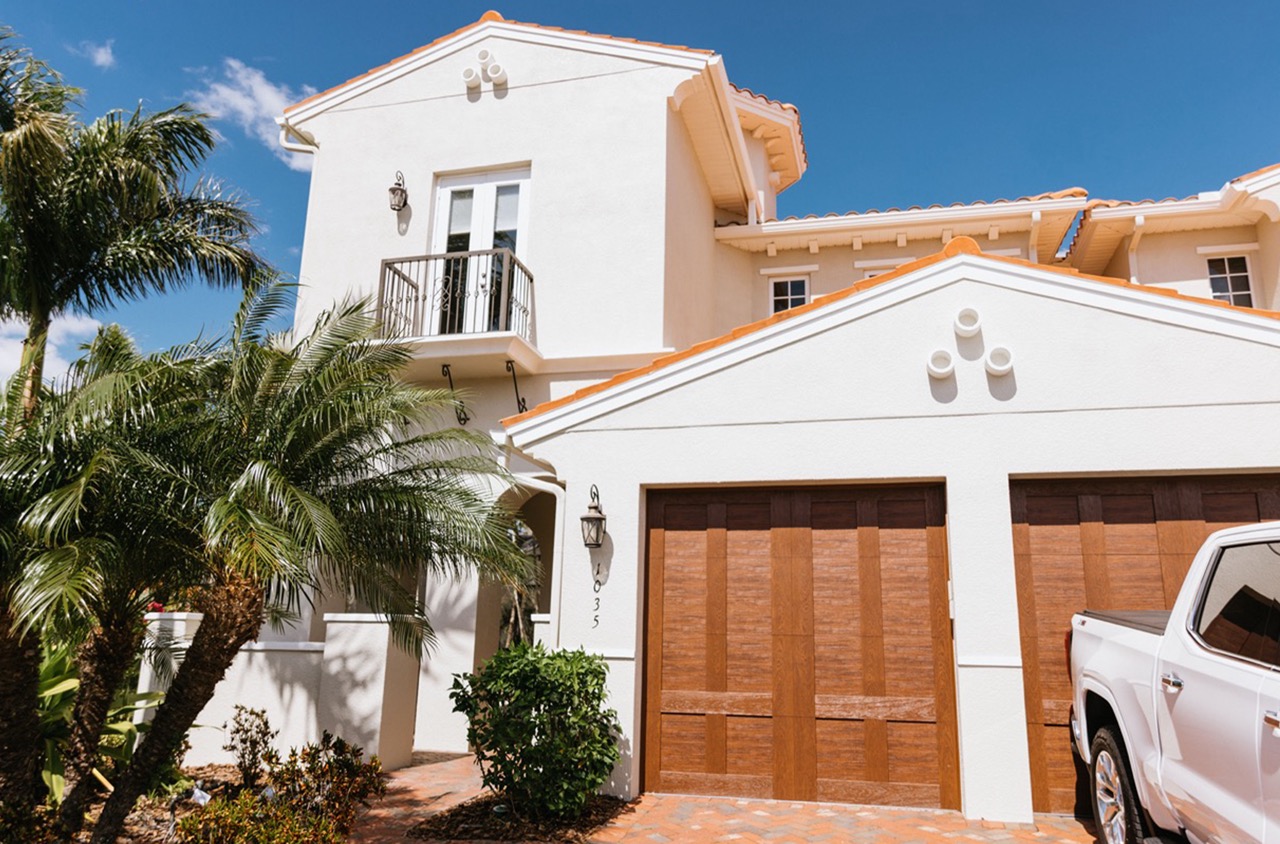
Sarasota's UV exposure is intense and nearly year-round, and it fades exterior paint — and even some interior walls near bright windows — noticeably within just a couple of years. That fading is rarely even across a whole wall or house; south- and west-facing surfaces take the brunt of it while shaded areas hold their color longer. That uneven fade is exactly what makes touch-ups risky on older paint: the new patch matches the can, not the sun-faded wall around it.
Want an honest answer on touch-up vs repaint? Book a free on-site look from our Sarasota painters.
How Old Can Paint Be Before Touch-Ups Won't Blend?
As a rough guide, touch-ups blend reasonably well on paint that is one to two years old, get riskier in the two-to-four-year range, and rarely work well past four to five years — especially outdoors in Florida's sun. Interior paint in low-traffic, low-light rooms can often take touch-ups successfully even at four or five years old, since it has not faded or been exposed the way an exterior wall has. If you saved the original paint can and know the exact product and sheen, that extends the touch-up window; without it, matching gets harder fast.
Exterior vs. Interior: Different Rules
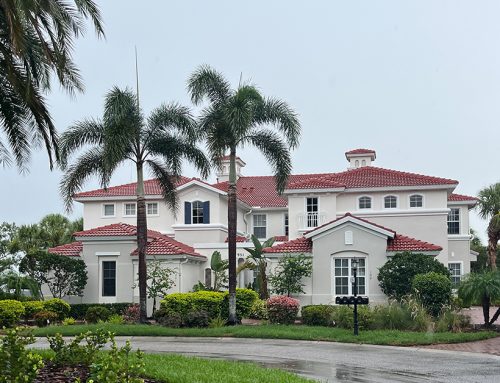
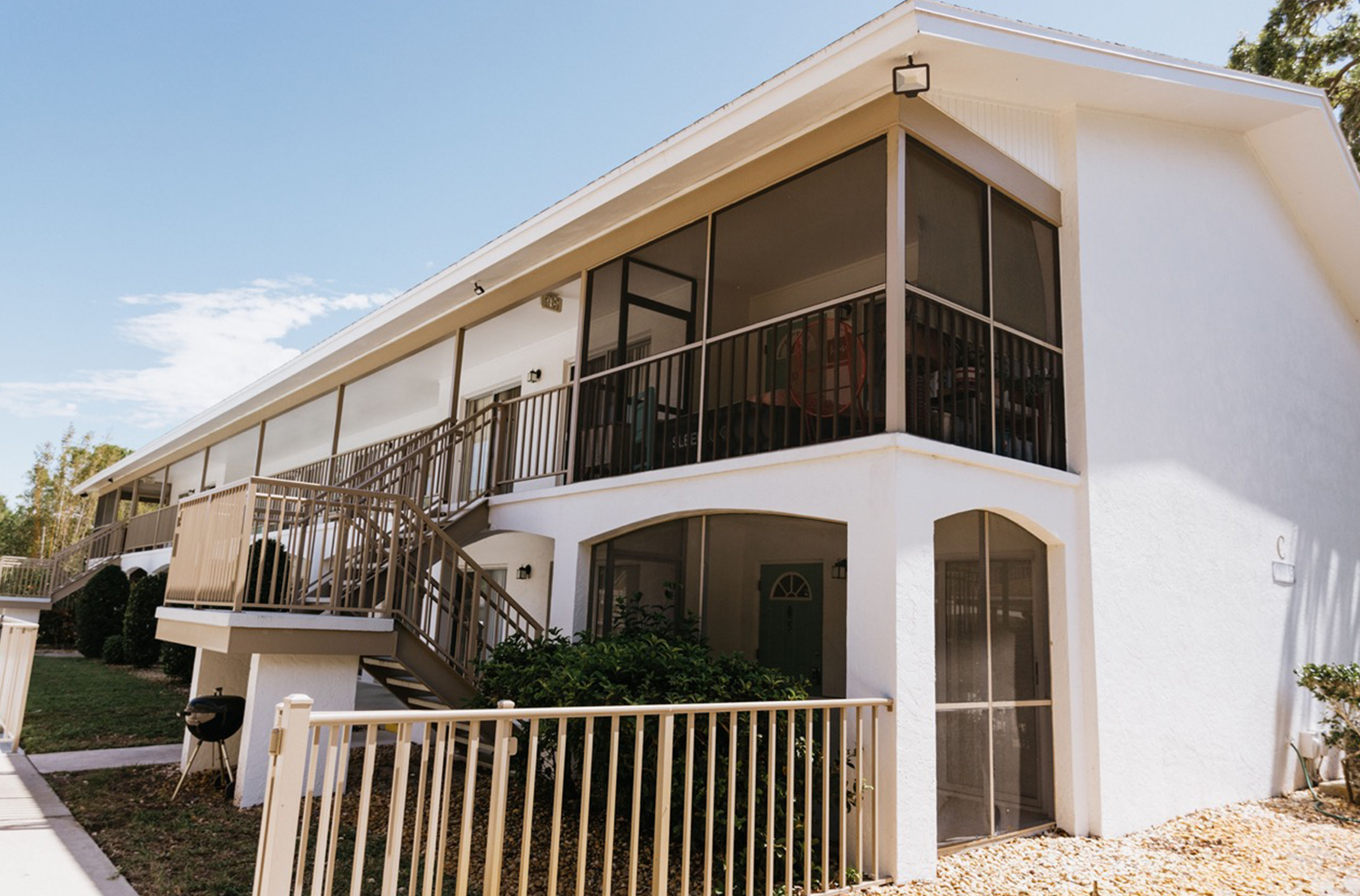
Exterior touch-ups have a shorter shelf life because sun, salt air, and rain age the surrounding paint continuously, so the color and sheen keep drifting away from what is in the can. Interior touch-ups last longer as a viable option since walls are protected from weather, though kitchens, bathrooms, and sunny rooms still age faster than the rest of the house. If your exterior is showing broad fading, chalking, or peeling rather than a few isolated marks, that is one of the clearest signs it's time to repaint rather than patch.
What We Do on a Touch-Up Visit
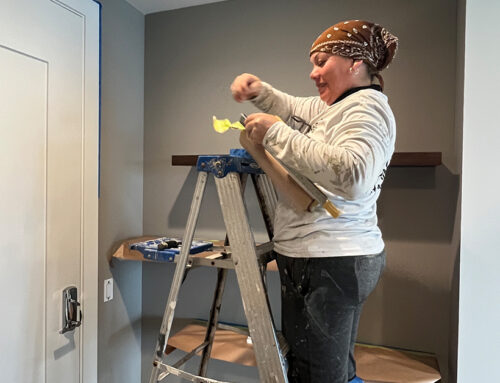
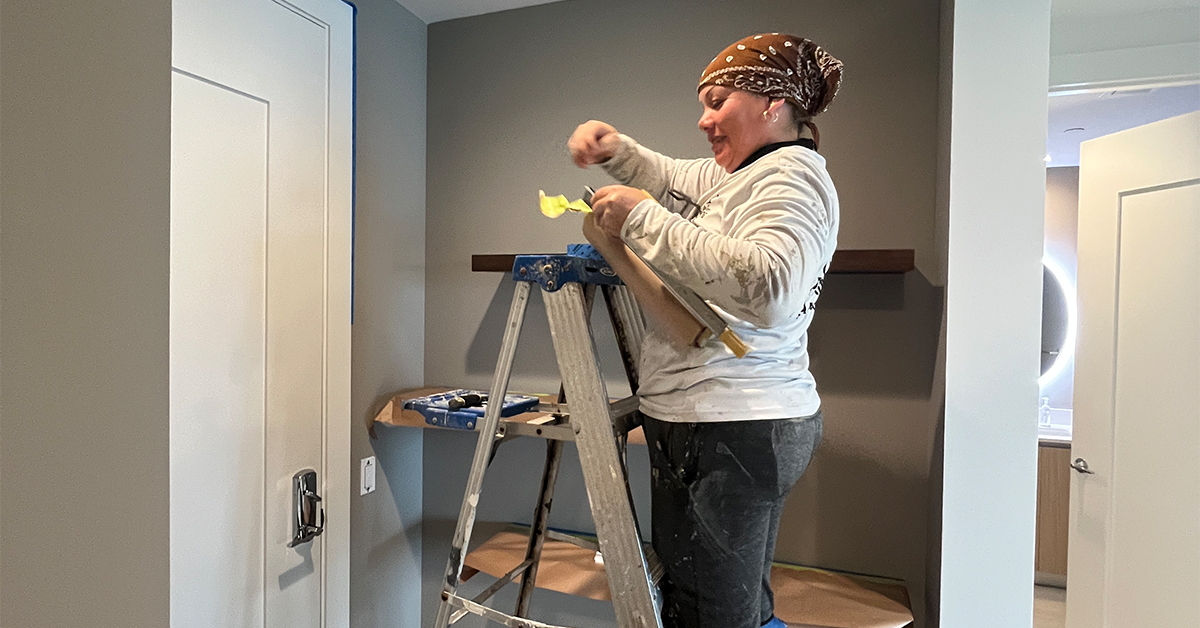
When a touch-up is the right call, we match the existing paint as closely as possible, feather the edges so the patch blends into the surrounding surface, and check sheen under natural light before calling it done. For small chips, scuffs, and nail holes on paint that is still in good shape, this is a fast, affordable way to keep a room or exterior looking sharp between full repaints. Our residential painting team handles both touch-ups and full repaints, so we will always tell you honestly which one your home actually needs.
If a walkthrough turns up more wear than expected, we will say so before doing any work rather than patching over a problem that will just show up again in six months. That honest assessment is part of what separates a lasting fix from a short-term one, and it's the same standard we'd want if it were our own home.
Quick Decision Checklist
- Paint under 2 years old, damage limited to a few spots → touch-up is likely fine.
- Paint 2–4 years old, some noticeable fading → touch-up may work, but ask a pro to check sheen match first.
- Paint over 4–5 years old, broad fading, chalking, or peeling → full repaint is the better long-term value.
- Original paint can and sheen unknown → repaint is often simpler than guessing at a match.
Get an Honest Recommendation for Your Home
We would rather tell you a touch-up will do the job than sell you a repaint you don't need — and vice versa. Book a free, no-obligation on-site estimate and we will give you a straight answer, backed by our 5-year guarantee on residential work. Call (941) 404-9372 to schedule a look.
Want an honest answer on touch-up vs repaint? Book a free on-site look from our Sarasota painters.
Frequently Asked Questions
Is it good for touch-ups if I don't have the original paint can?
It's harder, but not impossible — a professional can often color-match closely using the paint's sheen and brand if visible on the wall. Without the exact can, though, some slight variation is likely, so it works best on small, less visible spots rather than prominent walls.
Will a touch-up always be cheaper than a full repaint?
For a handful of small spots, yes. But if a home needs touch-ups in many different areas, the labor to match and blend each one can approach the cost of just repainting the whole surface evenly — at which point a full repaint is usually the smarter spend.
How do I know if my exterior needs touch-ups or a full repaint?
If the damage is a few isolated chips or marks on paint that is still holding its color, a touch-up works. If you're seeing broad fading, chalking residue on your hand when you touch the wall, or peeling in multiple spots, that points to a full repaint.