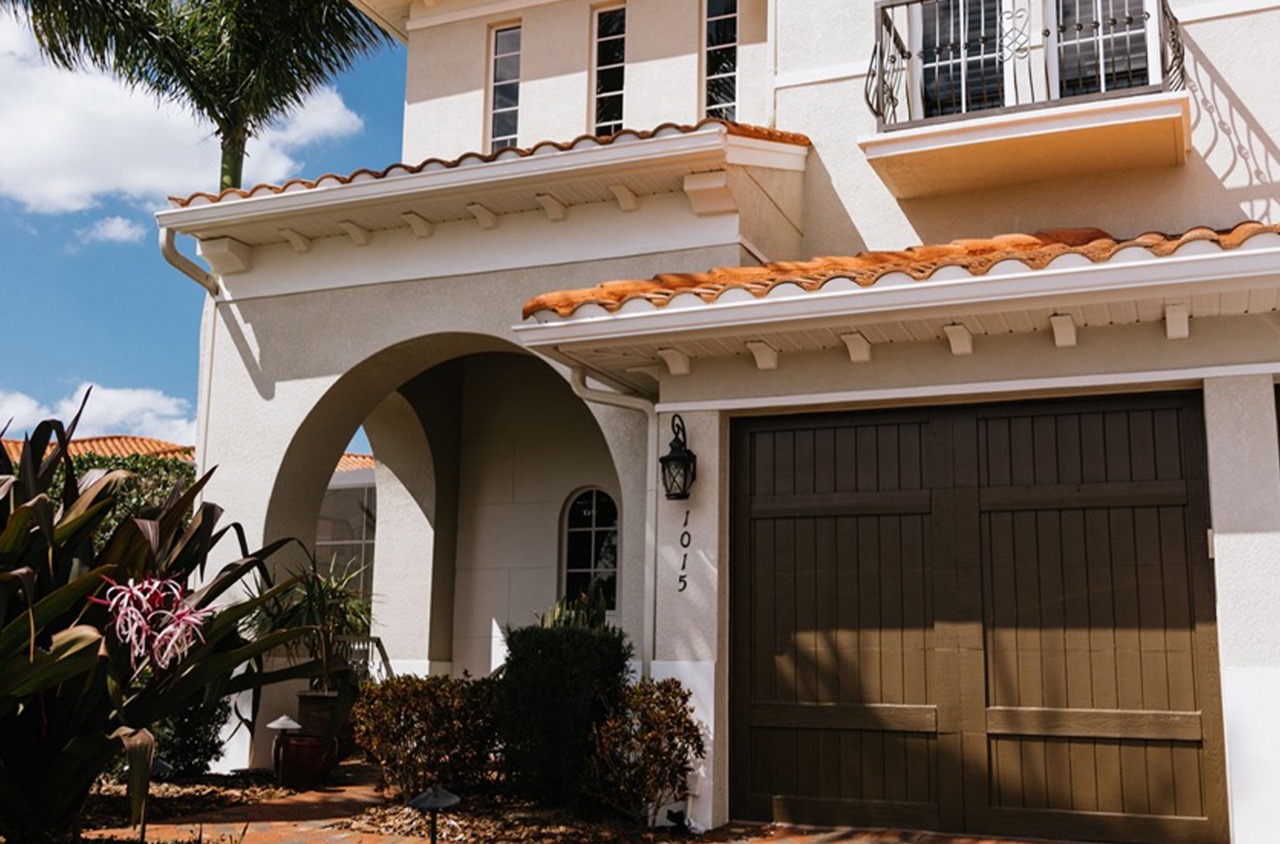


Colors convey emotions and shape perceptions; understanding their impact is crucial. Warm colors, typically reds, oranges, and yellows, evoke feelings of energy, passion, and warmth. They can transform a space into a welcoming haven or inspire creativity. In contrast, cool colors like blues, greens, and purples suggest calmness, tranquility, and professionalism. They are often used to create a serene environment, perfect for spaces intended for relaxation or concentration. Choosing between warm and cool colors isn’t just about personal preference; it’s about crafting an atmosphere that resonates with the intended purpose of the room. As residents and business owners in Sarasota and Manatee Counties seek to enhance their spaces, exploring the dynamics between warm and cool colors can be a powerful tool. Understanding these principles enables homeowners and businesses to create environments that not only reflect their aesthetic goals but also support the desired activities in the space.
A Study of Warm vs. Cool
Choosing the right color palette for interiors can shape the atmosphere of a space and even influence the mood of those within it. Understanding the distinct characteristics of warm and cool colors enables more strategic decisions that can enhance both residential and commercial settings.
Warm colors—reds, oranges, and yellows—are known for introducing vibrancy and energy. These hues can make a space feel more inviting. Consider using warm colors in social spaces like living rooms or restaurants where encouragement of activity and engagement is desired. A dining area painted in a soft terracotta can foster conversation and warmth among guests, while sunny yellows in a cafe might create a cheerful dining experience.
Cooling colors, including blues, greens, and purples, often impart a sense of calm and relaxation. They are excellent choices for spaces meant to soothe and relax, like bedrooms and offices. For instance, a soft seafoam green in an office setting may increase focus by reducing stress. Meanwhile, light blue walls in a bedroom can promote restfulness and serenity, making it easier to unwind at the end of the day.
When deciding between warm and cool tones, one consideration is the amount of natural light a space receives. Rooms with ample sunlight might balance warm tones effectively, whereas cooler hues can assist spaces that lack natural light by enhancing the perception of openness and airiness. Furthermore, combining warm and cool colors in the same room can create a harmonious balance, such as cool-colored walls with warm-toned furniture or accents, to add dimension and prevent monotony.
Implementing strategic color choices, considering not just personal preference but also the function of the space and its specific atmospheric requirements, ensures that a room not only looks appealing but also serves its intended purpose effectively. Business owners and homeowners alike will find this practical approach to color choice enriches the environments within their properties.
Understanding Perceived Heat
The heat of Florida may seem unrelenting, but the temperature you feel is not just a result of actual warmth. A concept that can help us understand the comfort levels in living and working spaces is perceived heat. Unlike ambient temperature, perceived heat is how hot or cool a person feels based on various indoor and outdoor factors.
Color plays a pivotal role in influencing perceived heat. Darker, saturated colors absorb more heat and can make a room feel warmer, while lighter shades tend to reflect heat, offering a cooler ambiance. In business environments, choosing the right color palette can impact energy consumption and employee comfort. For instance, light blues and greens promote a cooler atmosphere, potentially lowering cooling costs.
Paint finish also has an effect on perceived heat. Glossy finishes reflect more light, which can create a sense of cooler space. However, too much gloss might cause glare, impacting work productivity. A balanced approach using semi-gloss in areas requiring durability and matte finishes elsewhere can help regulate temperature feel while contributing to an aesthetically pleasing environment.
Windows and surfaces exposed to sunlight are critical to consider. Investing in UV-filtering window films or treatments can reduce heat buildup, impacting the overall perceived temperature of a space. Additionally, painting roofs and exterior walls with reflective coatings can significantly decrease the heat absorbed, cooling the interior.
Companies can effectively manage perceived heat by incorporating plants in their interior design. Plants naturally cool through transpiration, reducing air temperature and improving air quality. This biophilic element softens the rigid lines in businesses, providing a calming influence on perceived heat.
By understanding the factors affecting perceived heat, businesses in Sarasota and Manatee Counties can create more comfortable environments while achieving cost-efficient energy usage. Strategic paint choices, mindful finishes, and thoughtful integration of natural elements can transform how heat is felt within buildings.
Suggestive Balance for Homes
Achieving a balanced look in your home can transform its ambiance and function. In painting, balance doesn’t refer to symmetry but to visual harmony. A well-balanced room allows for effortless movement and relaxation, creating a welcoming environment.
Consider the color wheel’s interplay. Choose a dominant color for larger spaces and complement it with coordinating shades. For instance, a cool blue may serve as the main wall color, supplemented with grey or off-white for trim and accents. This mixture prevents any single color from overwhelming the room.
Another technique is to balance light and dark hues. Paired wisely, these contrasts can define spaces and add depth. A darker shade on the lower half of walls grounds the room, while a lighter tone above can make ceilings appear higher, enhancing airiness.
Textures also contribute to balance. Pair rough textures with smooth counterparts, like a plush rug on a hardwood floor. This contrast draws the eye and creates a tactile appeal. Similarly, combining matte and glossy finishes can emphasize architectural elements, lending character.
Furniture placement affects balance as well. Distribute weight visually, ensuring one side of the room doesn’t feel heavier. This might mean placing similar-sized furniture on opposite sides, or using plant stands and bookshelves to visually counterbalance larger pieces like sofas or entertainment centers.
Scale is important, too. Oversized furniture in a small room disrupts balance and makes spaces feel cramped. Opt for pieces proportionate to your space for a seamless flow.
Finally, consider the room’s purpose. Balance functionality with aesthetics. In a home office, striking the right balance of color and arrangement can enhance focus and productivity.
By mindfully applying these techniques, you can achieve an artful balance that enhances the beauty and utility of your home space.
Next Steps
Grasping the nuances of how paint color influences perceived temperature allows for creating environments that are comfortable, inviting, and energy-efficient. From strategic color choices that play on perceptions of heat to mindful integrations of natural elements, these insights are invaluable for homeowners and businesses in Sarasota and Manatee Counties aiming to optimize their spaces in our sunny climate.
Whether crafting a cool retreat in a bustling office or a warm haven at home, the right color palette is instrumental in achieving these atmospheres. A Step Above Painting offers expertise that can guide you in making informed decisions that align with your aesthetic vision and functional requirements. Contact us today for a free quote or consultation, and seize the opportunity to transform your space thoughtfully.