
Have you ever walked into a room and noticed something slightly off about the walls? It might be the uneven application of paint, minor damage, or discoloration from moisture exposure. Ignoring these problem areas can lead to more significant issues in the future, impacting both aesthetics and structural integrity. Identifying and addressing these issues is essential for maintaining the quality and appearance of your space.
Paint serves as both a decorative and protective layer, so addressing imperfections swiftly can prevent further deterioration. For instance, peeling paint might indicate a moisture issue, while cracked or chipped areas could suggest deeper structural problems. Tackling these problem areas not only enhances a room’s visual appeal but also contributes to the longevity of the surfaces.
In Sarasota and Manatee Counties, the humid climate poses unique challenges for maintaining wall integrity. This makes regular inspection and timely action all the more crucial. By understanding and targeting these imperfections, you can ensure a visually pleasing, durable finish.
Target Problem Areas
Identifying and addressing problem areas when painting can significantly improve the final outcome. For business owners and facility managers in Sarasota and Manatee Counties, understanding how to tackle these issues can lead to more efficient processes and a polished appearance.
Start with a thorough inspection. Walk through the spaces to be painted, paying attention to surfaces that might need extra care. Look for cracks, peeling paint, and damp spots. These are the usual suspects in needing pre-treatment before applying new paint. Fixing these issues early makes for a more durable paint job.
Cracks in walls, especially near windows and doors, are common. They can expand over time if not properly sealed. Use a flexible sealant designed for building materials. Not only will this prevent the crack from returning after painting, but it also helps in maintaining energy efficiency by blocking drafts.
Peeling paint indicates improper adhesion or moisture issues. Scraping off the loose portions and sanding the edges smooth prevents further peeling. Before repainting, ensure the area is dry and apply a coat of primer. Latex primer is typically a reliable choice, offering compatibility with multiple topcoats.
Moisture issues often lead to bubbling or warped paint. Trace the source of any leaks and repair them before proceeding. Using moisture-resistant paints in high-humidity areas prevents future issues. These paints are especially important in places like bathrooms or near kitchens.
For areas with frequent contact or high traffic, consider using more durable paints. Areas around light switches, corridors, or reception areas benefit greatly from washable or scrubbable paint finishes. These paints allow for easy cleaning without damaging the surface, maintaining their appearance longer.
Finally, employ protective materials where needed. Plastic sheeting, tarps, and masking tape protect floors, furniture, and fixtures. This helps focus on the painting itself without worrying about incidental damage. Implementing these strategies not only resolves target problems but also enhances the durability and quality of the finished paint job.
Ensuring a Lasting Fit
Creating a lasting fit between the paint job and the surfaces in your commercial space can influence your building’s aesthetics and longevity of investment. It’s important to balance initial choices and ongoing maintenance.
Choosing the right paint vastly contributes to durability. For high-traffic areas, prioritize paints labeled as scrub-resistant or washable. Acrylic or latex paints generally offer better adhesion, flexibility, and breathability than oil-based options, which tend to be more labor-intensive during application. Flat sheens may look appealing, but they can be harder to clean compared to eggshell or semi-gloss finishes, which suit areas like lobbies or hallways more effectively.
Surface preparation is crucial. A clean and properly primed surface ensures paint adheres well and lasts longer. Dirt, grease, or loose materials on a surface can impede paint application and lead to early wear. Use a detergent solution or trisodium phosphate for cleaning, followed by a rinse with clean water. For old or crumbly surfaces, a primer not only provides better adhesion but can also smooth uneven areas.
Regular inspections are a practical strategy to maintain paint integrity. Check for signs of chipping or fading every few months, especially in high-traffic areas or those exposed to Florida’s humidity. Address minor issues promptly to avoid costly repairs later.
Consider environmental factors. Sunlight, for instance, can cause colors to fade faster. UV-resistant paints significantly reduce this risk. Apply a UV-protective clear coat over exterior paints for added protection, particularly if your commercial space is subject to Florida’s intense sun exposure.
Consider the unique needs of each area you’re painting. Restrooms and kitchens benefit from mold-resistant paint due to higher moisture levels. Similarly, selecting low-VOC (Volatile Organic Compounds) paints can improve indoor air quality, a significant consideration for shared spaces in commercial settings.
Taking the time to choose the right materials and maintain them ensures your investment not only looks professional but can stand the test of time.
Methods for Inexpensive Revamps
Refreshing your business environment doesn’t have to involve significant expense. In fact, strategic updates through inexpensive methods can breathe new life into your space, enhancing both aesthetics and functionality without breaking the budget. Here’s how small changes can make a noticeable impact.
One effective approach is focusing on paint. A fresh coat can do wonders in transforming the look and feel of a space. Consider using lighter shades to open up areas, making them appear larger and more inviting. Accent walls can add depth and character. Repaint busy areas frequently for a refresh that doesn’t require much time or money.
Rearranging existing furniture can provide a sense of newness. Changing the layout can create more effective flow and usability, allowing a workspace to function at its fullest capacity. Move furnishings into different positions, or swap pieces between rooms for a fresh perspective. Pair this with simple décor updates like new cushions or throws to enhance new setups.
Updating light fixtures and switching to LEDs can illuminate spaces more efficiently while cutting down energy expenses over time. Well-lit spaces enhance mood and productivity. Exploring second-hand shops for vintage finds or adopting a minimalistic style can also upgrade the appearance of a room economically.
Adding greenery through plants is another cost-effective method. Plants can improve air quality and bring a touch of nature indoors, creating a calm and productive atmosphere. Easy-care plants like succulents or pothos are low maintenance and add visual interest.
Small DIY projects, like creating a feature wall with stencils or decals, can also provide distinctive flair. They require minimal investment but can change the atmosphere significantly. Additionally, swapping outdated hardware like door handles, faucets, or drawer pulls is a simple yet impactful change.
Taking advantage of these inexpensive revamps allows you to maintain a dynamic business environment and achieve aesthetic improvements without financial strain.
Next Steps
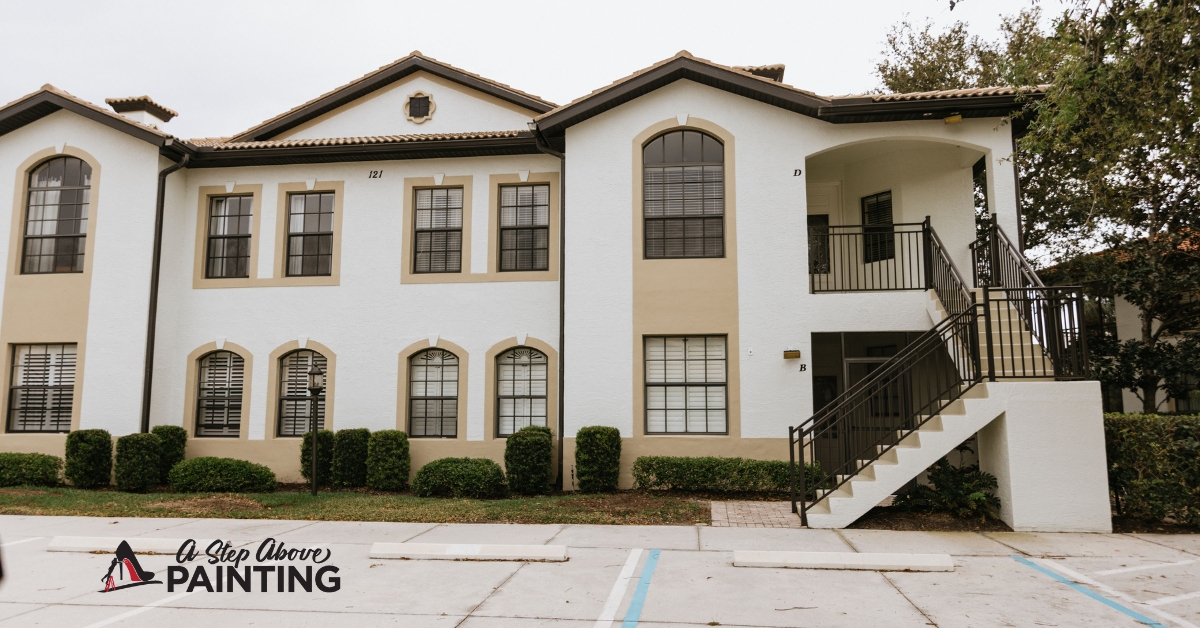
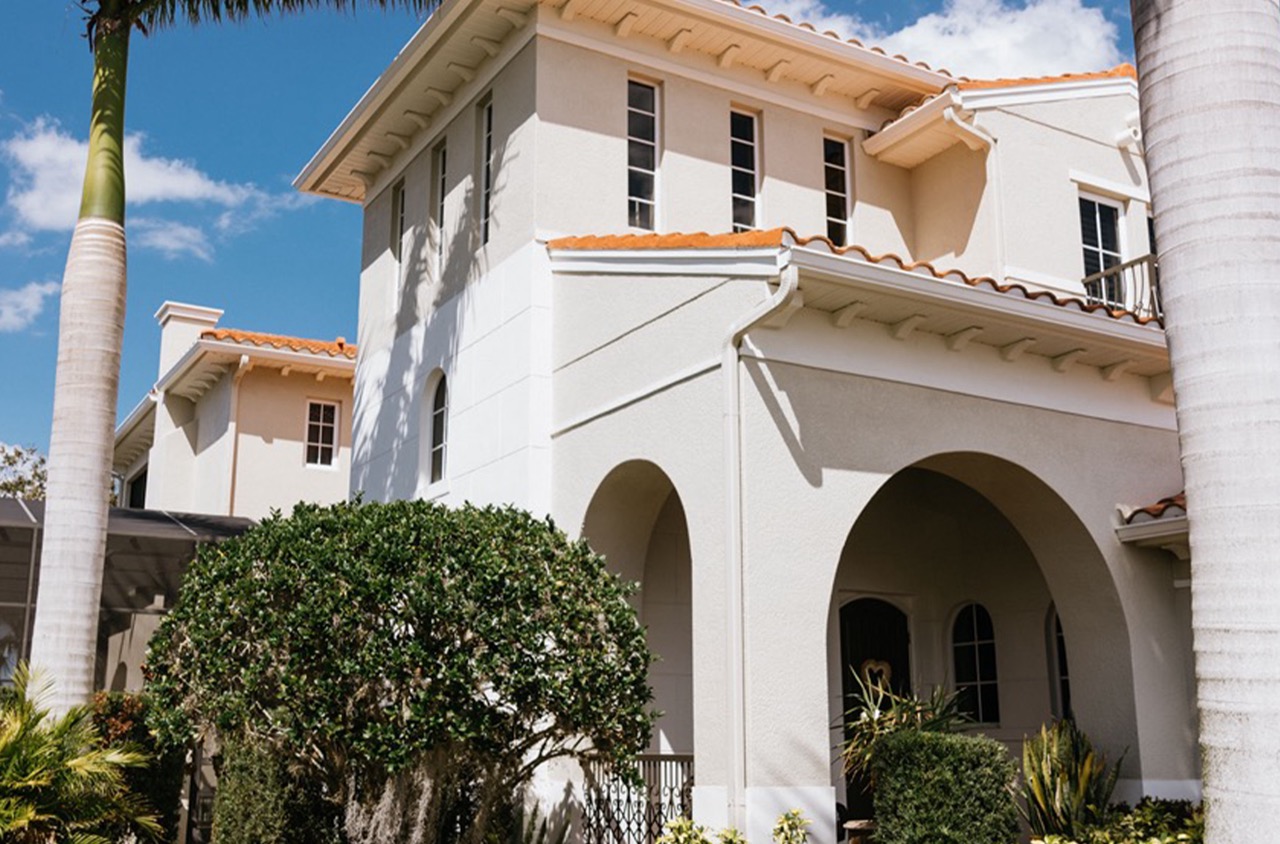
While small changes can dramatically enhance an interior space, the exterior of a building is equally deserving of attention. Addressing signs of wear through strategic paint touch-ups can elevate your property’s curb appeal and create a welcoming first impression. A fresh, well-maintained exterior reflects positively on your business or home, potentially increasing its value.
Begin by identifying areas where paint is peeling, faded, or damaged. Regular inspections can guide timely interventions, averting larger issues. Cleaning the surfaces before applying a fresh coat ensures optimal adhesion and durability. Opt for products designed for Florida’s climate, as they offer better resistance against humidity and intense sunlight.
Color selection is vital for creating the desired aesthetic. Neutral tones can offer timeless elegance, while bolder hues might make a statement. Consider the existing landscape and architectural style when choosing your palette to harmonize well with surroundings.
If enhancements to your property’s exterior could benefit from professional expertise, A Step Above Painting is ready to assist you. We specialize in solutions tailored to Sarasota and Manatee Counties’ unique environmental demands. Contact us today for a free quote or consultation, and let our team help you achieve the transformative results you envision.