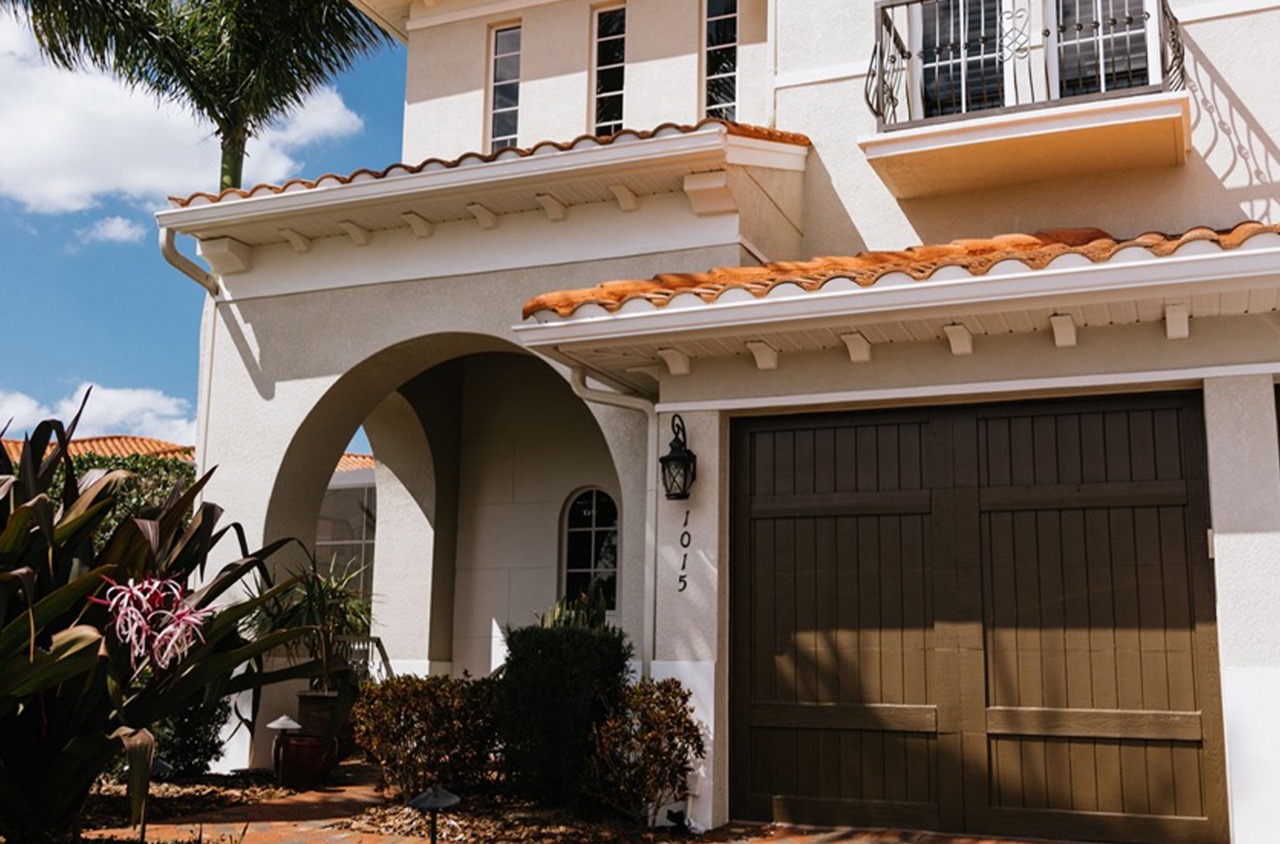

What role do colors play in creating an inclusive environment? Thoughtfully selected color palettes go beyond aesthetics, influencing functionality and accessibility. Accessible color usage ensures that spaces accommodate a wider audience, including those with visual impairments or color blindness. Whether applied in residential or commercial settings, these considerate choices enhance both usability and comfort.
In the realm of painting, understanding contrast ratios, hue, and light reflectance can transform ordinary spaces into welcoming environments. High-contrast color schemes make navigation easier for individuals with limited vision, while avoiding problematic color pairings, such as red-green combinations, ensures accessibility for those with color blindness. By adopting accessible color practices, the spaces we create not only reflect a commitment to inclusivity but also demonstrate thoughtful design that respects diverse needs.
Accessible Color Uses
Color has a remarkable ability to influence mood and perception, making it a powerful tool in both residential and commercial settings. To maximize its impact, it’s essential to consider accessibility, ensuring spaces are welcoming and practical for everyone, including those with visual impairments and color blindness.
When selecting colors for accessible designs, contrast is crucial. High contrast between walls, floors, and fixtures can aid those with visual difficulties in distinguishing different areas and objects. For instance, pairing a light-colored wall with a dark furniture piece or trim can create a clear demarcation, facilitating easier navigation through a space.
Luminance contrast also matters. This involves differences in light reflection rather than just hue. Materials that absorb light versus those that reflect can significantly alter how a color is perceived. For instance, matte finishes tend to absorb light, while glossy surfaces reflect it. Understanding these properties can help in choosing the right finish to complement the selected color palette.
Additionally, consider the color wheel and the placement of complementary colors. When used effectively, opposite colors on the wheel can create a vibrant and accessible environment. For example, pairing blues and oranges, or purples and yellows, can help key elements stand out, guiding both visually impaired and sighted individuals.
Patterns should be carefully selected to avoid visual confusion. Large, clear patterns are more accessible, while intricate designs can be overwhelming. Consider simpler patterns with distinct colors to enhance readability and understanding of space.
Colors also come with cultural and psychological associations. Red can evoke energy and urgency, making it useful for highlighting important areas. Soft greens and blues are generally calming, beneficial in settings where relaxation and focus are needed.
Implementing these adjustments in color selection not only promotes inclusivity but can also enhance the overall aesthetic of any space. By considering these facets, businesses can create environments that are both visually appealing and accessible to a broader audience.
Contrast and Visual Navigation
Exploring the concepts of contrast and visual navigation in the painting industry offers valuable insights, especially for business owners aiming to make spaces both aesthetically pleasing and functional. Contrast in design isn’t just about incorporating stark variations in color; it involves a calculated use of differences to guide the viewer’s eye and convey a message effectively.
For a practical approach, consider the interplay of contrasting colors. A well-selected palette can significantly influence mood and perception. For instance, using complementary colors—those opposite each other on the color wheel—such as blue and orange, can create a vibrant, dynamic ambiance. On the other hand, monochromatic contrasts, where varying shades of the same color are used, typically results in a more subtle yet sophisticated look. This technique is excellent for businesses that wish to maintain a clean and professional environment.
Visual navigation extends beyond color to include elements like lines, shapes, and textures in a space. For example, vertical lines can promote a sense of height and elegance, making a room appear taller. Meanwhile, horizontal lines often create an expansive feel, enhancing warmth and comfort. Understanding such dynamics can prove advantageous for businesses aiming to guide customer movement through a space or draw attention to specific areas, like promotional displays or featured products.
Textures, while sometimes overlooked, wield substantial impact on the visual experience. A textured accent wall, contrasted against smooth surfaces, can create focal points that add depth and interest to a room. This tactic can be particularly effective in reception areas or lounges where creating a sense of comfort and engagement is paramount.
Lighting, although often categorized separately, intricately ties into the use of contrast. The interplay of light and shadow can dramatically alter color perception, making it crucial to evaluate colors under both natural and artificial lighting conditions before finalizing selections.
By integrating these principles into painting projects, businesses not only enhance the visual and functional appeal of their spaces but also create an environment that reflects their brand’s identity and intentions. This thoughtful approach to contrast and visual navigation ensures that both aesthetics and practicality harmoniously coexist, supporting business objectives through strategic design.
Plans for Mobility Needs
A well-conceived mobility plan is vital for any business, especially in industries like painting where service areas might span across multiple locations. Understanding future mobility needs not only streamlines operations but also boosts efficiency and improves customer experience. One practical approach is to assess current and foreseeable transportation requirements through a mobility audit. This involves evaluating tools, vehicles, and workforce needs in relation to project scale and geographical coverage.
Investing in versatile vehicles can significantly enhance flexibility. A fleet of vehicles equipped to transport both workers and tools can help respond swiftly to client demands. Businesses should consider hybrid or fuel-efficient vehicles to reduce fuel costs and lessen environmental impacts. Scheduling regular maintenance checks ensures vehicles remain reliable, preventing costly downtime.
Digitization plays a critical role in managing mobility efficiently. GPS tracking systems in company vehicles allow for real-time monitoring of their positions, promoting better time management and optimizing route efficiency. This reduces travel time, cuts fuel costs, and helps maintain punctual appointment schedules, fostering client trust.
Mobility needs also extend to remote communication. Ensuring field teams have access to mobile technology enables seamless communication with office staff, enhances coordination, and provides immediate access to project details. Applications that support mobile invoicing, report generation, and customer feedback can streamline administrative tasks, keeping the focus on delivering quality services.
Employee training is another essential aspect, focusing on safe driving practices and the efficient use of digital tools. Educating staff on energy-efficient driving can translate to savings on fuel and maintenance expenses, while also adhering to safety standards. Thus, aligning mobility plans with employee skills nurtures a proactive business culture that is responsive to changing demands.
These actionable steps in planning mobility needs not only optimize operational procedures but also strengthen customer relations, which is invaluable for sustained business growth in the painting industry.
Next Steps
In the realm of painting, considering accessibility through thoughtful color selection leads to spaces that are more welcoming and functional for everyone. Not only do these choices reflect a commitment to inclusivity, but they also provide practical benefits that enhance daily interactions with one’s environment. By attending to elements such as contrast, light reflection, and color pairings, you can create settings that facilitate visibility and improve navigation for all individuals.
Working with a professional painting service like A Step Above Painting allows you to explore color combinations and finishes that align with your accessibility goals. Our team in Sarasota and Manatee Counties is well-versed in the nuances of color design and accessibility principles, ensuring your residential or commercial space is crafted to meet diverse needs. We offer personalized consultations and free quotes to help you envision and execute your next project with inclusive aesthetics in mind.
Reach out today to discuss your ideas and learn how we can assist in creating an appealing and accessible environment that reflects your vision.