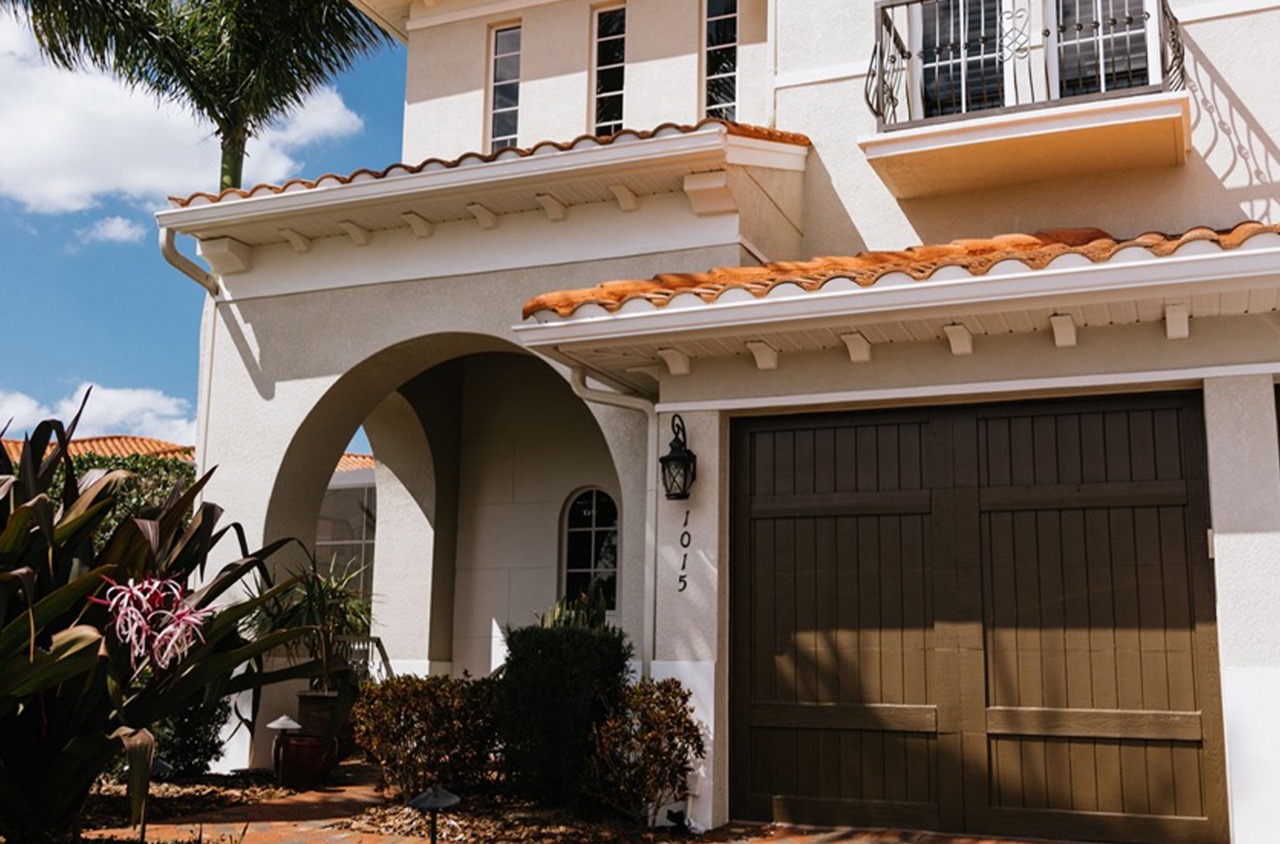

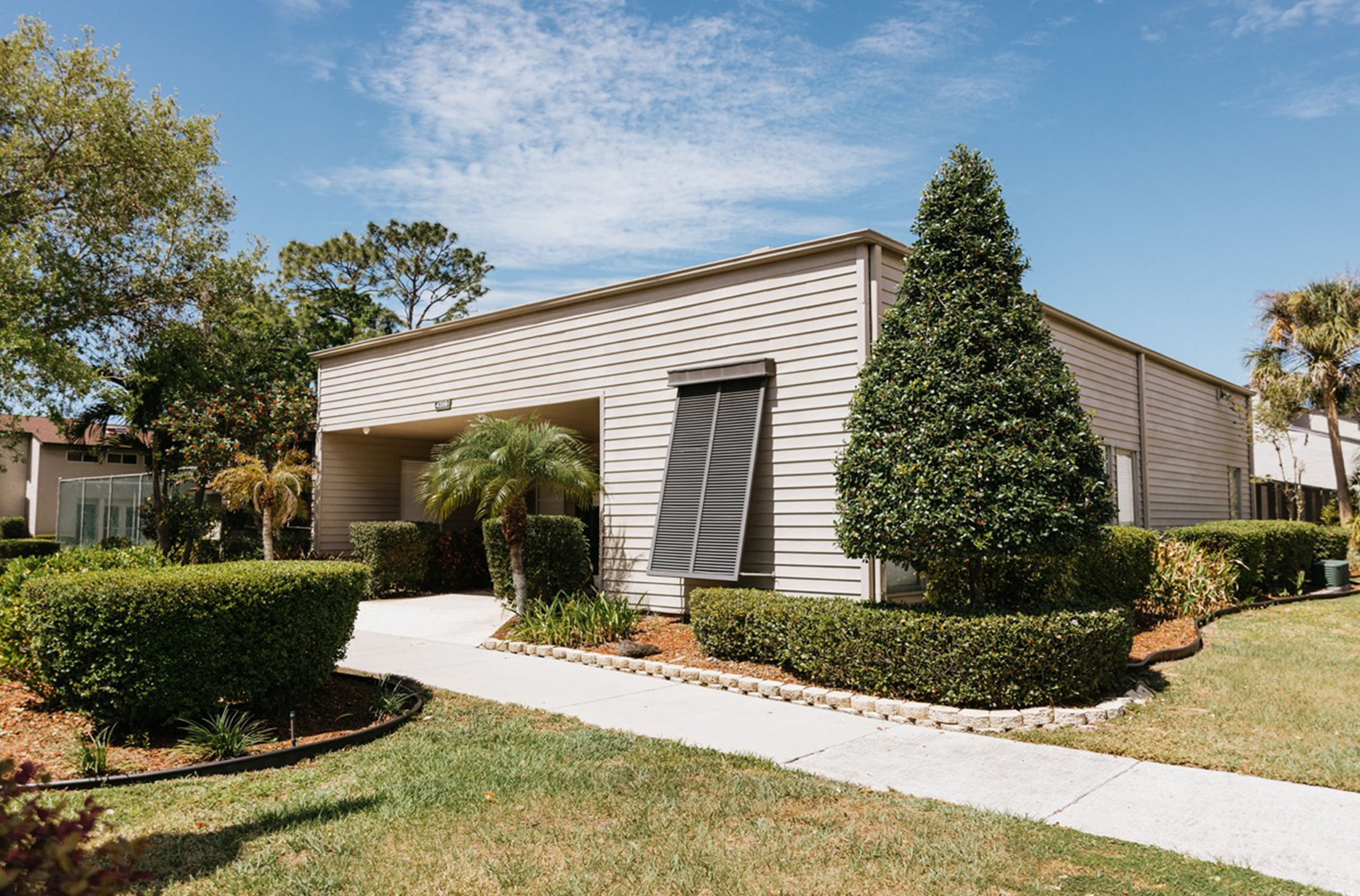
Crafting a cohesive environment isn’t just about aesthetics; it’s about creating spaces where design elements harmoniously interact to evoke a desired mood or experience. Whether in a home living room or a corporate office, achieving this balance requires thoughtful consideration of color schemes, textures, and design features. Colors should not simply match but complement each other, influencing mood and energy. Similarly, textures play a role in how a space feels—combining smooth metals with soft fabrics can add depth and interest. Lighting also significantly impacts cohesion, guiding focus and enhancing the space’s ambiance. Each design choice, from furniture layout to wall color, should support a unified vision, ensuring the environment feels intentional and inviting. At A Step Above Painting, we understand this intricate interplay, using our expertise in residential and commercial painting to help create spaces that are not only visually appealing but also functional and cohesive.
Developing Cohesive Environments
Creating cohesive environments can significantly enhance both residential and commercial spaces. It involves ensuring that every element within a space, whether it’s paint color, decor, or even furniture arrangement, works harmoniously to craft a unified look and feel.
In a business setting, particularly, cohesive environments contribute to brand identity, productivity, and customer satisfaction. A workspace that reflects the brand’s personality not only impresses clients but also motivates employees. Start by defining your brand’s color palette. Consistent use of these colors across walls, furniture, and accessories helps establish a visual identity. Integrating your brand’s colors throughout the office or storefront creates familiarity and can even influence mood and behavior positively. For example, blue often evokes calmness while energetic hues like red can stimulate productivity.
Lighting also plays a crucial role. Natural lighting promotes a welcoming atmosphere and can be complemented with strategically placed artificial lights to highlight focus areas like meeting rooms or product displays. The combination of lighting with color choices can draw attention to key areas, directing flow and emphasizing important aspects of the business.
Texture is another component that contributes to cohesion. Mixing materials like metal, wood, and fabric can add depth and interest but maintaining a common thread, such as a unified color or pattern can tie disparate elements together.
Consider the spatial arrangement of furniture and decor. Furniture should not only meet functional needs but also align with the visual theme and allow for easy movement. For instance, in a retail space, low shelving units can be used to create a more open layout, enhancing visibility and facilitating customer navigation.
In residential settings, cohesion can promote a sense of peace and order. Here, balance color schemes with complementary hues and patterns. Selecting one or two dominant colors and utilizing variations of these shades for different rooms can offer continuity while allowing individuality. Elements like wall art, rugs, and curtains should echo the primary palette to reinforce the theme.
By mindfully integrating these elements, you can create environments that are not only visually appealing but also support the functional aspects of living and working spaces.
Accentuating Bold Elements
Choosing bold elements is a strategic way to elevate the aesthetics of any space, whether it’s a home or a business environment. Deliberate accents can alter the mood and perception of a room without requiring a complete redesign.
Begin with color. Vibrant walls can define and energize spaces, but selecting the right hue is key. For business environments, consider the psychology of colors. A deep blue can foster trust and stability, while a rich red evokes energy and excitement. In a residential setting, a sophisticated dark green might add a sense of tranquility and sophistication. Use bold colors selectively on accent walls or focal points, ensuring they complement rather than overpower the existing color palette.
Textures and finishes also contribute significantly. In an office, textured wallpaper or a polished plaster finish behind the reception can introduce a sense of modernity and professionalism. For homes, contrast matte walls with glossy furniture or metallic fixtures; these subtle textural differences can create a visually engaging setting.
Artwork and accessories are another way to introduce boldness. Opt for large, statement pieces that reflect the personality or ethos of the place. In commercial spaces, art can serve a dual purpose by branding the space while captivating visitors. For residential spaces, personal collections or vivid artwork above a mantel accelerates visual interest.
Lighting dramatically influences how bold elements are perceived. Use focused lighting to dramatize a bold piece or an architectural feature. In businesses, adjustable track lighting can be leveraged to highlight key product displays or artwork. For homes, a striking pendant light can serve as both a bold feature and a functional element, effectively tying together all the room’s bolder aspects.
Finally, don’t overlook minimalist spaces as opportunities for bold choices. A stark, neutral backdrop can amplify the impact of a single, vivid feature—a brightly colored chair or a unique art piece. Thoughtfully integrated bold elements not only enhance aesthetics but also influence the experience within the space.
Focal Points and Balance
Creating visually appealing spaces is an art, especially in commercial settings where aesthetics play a role in influencing customer interaction and perception. Developing focal points and achieving balance within these spaces can transform a routine environment into an engaging experience.
Focal points serve as the visual hub that captures attention first. In a retail store, this could be an art piece or a display featuring new merchandise. In an office, it might be a large logo or an accent wall in a vibrant hue. Focal points are designed to stand out, encouraging viewers to explore further. To create effective focal points, opt for contrasting colors or textures that differentiate from the rest of the space. In an art gallery or boutique, this might mean a striking piece of artwork against a plain background. Restaurants can highlight a specific area with unique lighting or decor.
Balance, however, ensures that these focal points don’t overpower the entire space. It’s about arranging elements to maintain visual harmony. For instance, if a bright red wall anchors one side of a room, balance it with complementary tones and subtle features on the opposite side. Symmetrical balance, where mirrored decor or furnishings flank a focal piece, creates a structured, organized feel. For a more informal approach, asymmetrical balance uses different weighted elements to achieve harmony, like pairing a large plant with a series of smaller objects.
When applying these principles, keeping the overall purpose of the space in mind is crucial. Each element should contribute to the room’s function, enhancing the experience without overwhelming the senses. Choosing paint colors thoughtfully is integral; subtle hues can pull a room together, while bold choices delineate focal points. Whether transforming a lobby with an eye-catching mural or refreshing office walls with calming tones, these concepts guide effective design. Through careful consideration and selection, businesses can use focal points and balance to their advantage, fostering inviting and memorable environments.
Next Steps
In transitional settings, the interplay of bold colors with whites and grays can create dynamic spaces that feel both modern and inviting. This balance allows bold hues to act as vibrant accents against the calming backdrop of neutrals, delivering visual interest without overwhelming the senses.
Bold colors can be introduced through soft furnishings, artwork, or accent walls, offering a lively contrast to the more understated whites and grays. These neutral tones serve as a canvas, allowing the bolder elements to shine while maintaining an overall cohesive aesthetic. Whites and grays provide flexibility, harmonizing with various design elements and adapting to changing tastes or styles over time.
Whether in a sophisticated home or a chic commercial environment, utilizing this balance effectively ensures that spaces feel open yet defined, welcoming yet energetic. Carefully selected bold elements punctuated by neutral backgrounds foster a space where creativity can thrive and functionality is paramount.
If you are considering incorporating these design principles into your space, A Step Above Painting is here to assist. Our expertise in residential and commercial painting enables us to bring your vision to life seamlessly. Contact us today for a free quote or consultation and discover how our services can enhance your environment with poise and purpose.