
Layering paint is more than a mere technique; it’s an art form that can transform any space. The process involves applying multiple coats of paint to achieve depth, dynamics, and a cohesive aesthetic. Whether you’re working on a residential accent wall or a large commercial project, understanding how to layer paint can significantly alter the look and feel of a surface. This practice allows for subtle shifts in color and texture, inviting complexity and interest that can capture an observer’s attention.
Imagine a single coat of paint. It delivers flatness and uniformity. Now picture a wall with intricate layers meticulously applied; it emanates richness, offering a visual narrative that evolves with each layer. The difference between these outcomes often lies in the skill of the painter and their command over layering techniques. For amateur and professional painters alike, mastering this craft can elevate any project from simple to spectacular. In this article, we’ll delve into the intricacies of layering paint, exploring how this technique can add value and character to your next painting endeavor.
Layering as Craft
In the realm of painting, mastery lies in the technique of layering. This artistic approach involves applying multiple coats of paint to achieve depth, texture, and richness that a single coat cannot provide. Understanding the art of layering can transform any basic painting project into a vivid masterpiece, whether it’s a home interior or a commercial space.
To start, select a high-quality primer. It serves as the foundational layer, ensuring the paint adheres properly while covering imperfections. Allow the primer to dry completely before adding the base coat, which sets the tone for the upcoming layers. Choosing the right base color is crucial, as it influences the hues that follow.
Patience is key as each layer must dry thoroughly before the next application. This avoids unwanted mixing and ensures clarity and definition in the colors. For best results, don’t attempt to cover imperfections or build depth with thick applications of paint. Instead, use thin, even layers that will gradually build up to the desired finish.
Layering also enables creative additions such as glazes or textures. Tinted glazes can alter the mood of a room by adding a subtle sheen or depth to the color. To achieve texture, consider a sponge, brush, or even a cloth to create patterns within the layers. Rough surfaces can add a tactile quality to walls, while smooth finishing will highlight colors more vividly.
Lighting plays an essential role in how layered paints are perceived. Observe the space at different times of the day to ensure the layered effect aligns with the room’s natural light. Clever use of layers can emphasize light reflections and create optical effects that enhance a room’s ambiance.
This methodology isn’t limited to simply covering surfaces. In commercial spaces, strategically layered walls can influence ambiance, impacting both employee productivity and client impressions. An inviting office environment can be crafted with soothing colors, while bold hues can energize retail spaces, guiding customer attention strategically throughout the store.
Understanding and applying the technique of layering in painting projects can define or redefine the physical experience of any space. It is essentially an art form that blends precision with creativity, resulting in enhanced visual and emotional impact.
Branching into Unknown
Exploring new ventures can feel daunting, particularly within painting businesses. However, introducing services like decorative painting or eco-friendly solutions may differentiate your business and increase customer interest. Starting with a detailed plan is crucial—research potential service areas that align with your strengths and market demand. For example, given the growing focus on sustainability, eco-friendly painting practices offer a valuable addition that may capture environmentally-conscious clients.
Training your team is essential when diversifying. Specialized skills ensure high-quality results and build client trust. Workshops and online courses can serve as effective tools for skill enhancement. Structuring comprehensive training sessions where team members practice new techniques helps maintain consistent quality across all engagements.
Client communication is another critical factor. Clearly explain the benefits of the new services. Consider creating informative materials, like brochures or website sections, that highlight unique offerings. This information supports clients in making informed decisions, demonstrating a forward-thinking approach.
Experiment with pilot projects. Before fully committing resources to a new service, try it out on a smaller scale. For instance, offer the service to a select group of existing clients, using their feedback to refine your approach. A limited rollout also allows you to estimate costs, required materials, and expected time investment.
Collaboration with industry experts can enhance your understanding of unfamiliar techniques. Partnering with professionals who specialize in the new service area can provide valuable insights and save time on the learning curve. Attending industry conferences or trade shows can further expand your network and introduce you to innovative approaches.
By thoughtfully branching into unknown territories, your painting business diversifies its capabilities, attracts a wider client base, and stays competitive in a dynamic market. A focused strategy, skill enhancement, clear communication, and strategic partnerships are key to a successful expansion.
Structural Ending Points
Navigating structural ending points in painting projects requires a blend of precision and keen attention to detail—whether it be for residential or commercial endeavors. These ending points, where two surfaces meet but differ in color, texture, or type, present a crucial aspect of aesthetics and durability in painting projects.
One of the first steps is recognizing areas such as ceilings meeting walls, trim against painted walls, or edges of doors and windows. Clean, sharp lines at these endpoints convey professionalism and polish. To achieve this, painters often rely on high-quality painter’s tape. It’s vital to apply this tape firmly and evenly along the desired edges to avoid bleeding, maintaining a seamless division between surfaces.
Choosing the right brush is another pivotal consideration. Angular sash brushes, with their angled bristles, offer superior control for cutting in along edges, ensuring crisp lines where two colors converge. A steady hand and even brush strokes are essential in gifting structures a neat, finished look.
Proper preparation goes beyond taping and brush selection. Ensuring that each surface is clean and dry is crucial for paint adhesion and longevity. Dust, grease, or moisture can hinder paint from bonding effectively, causing early peeling or flaking along endpoints.
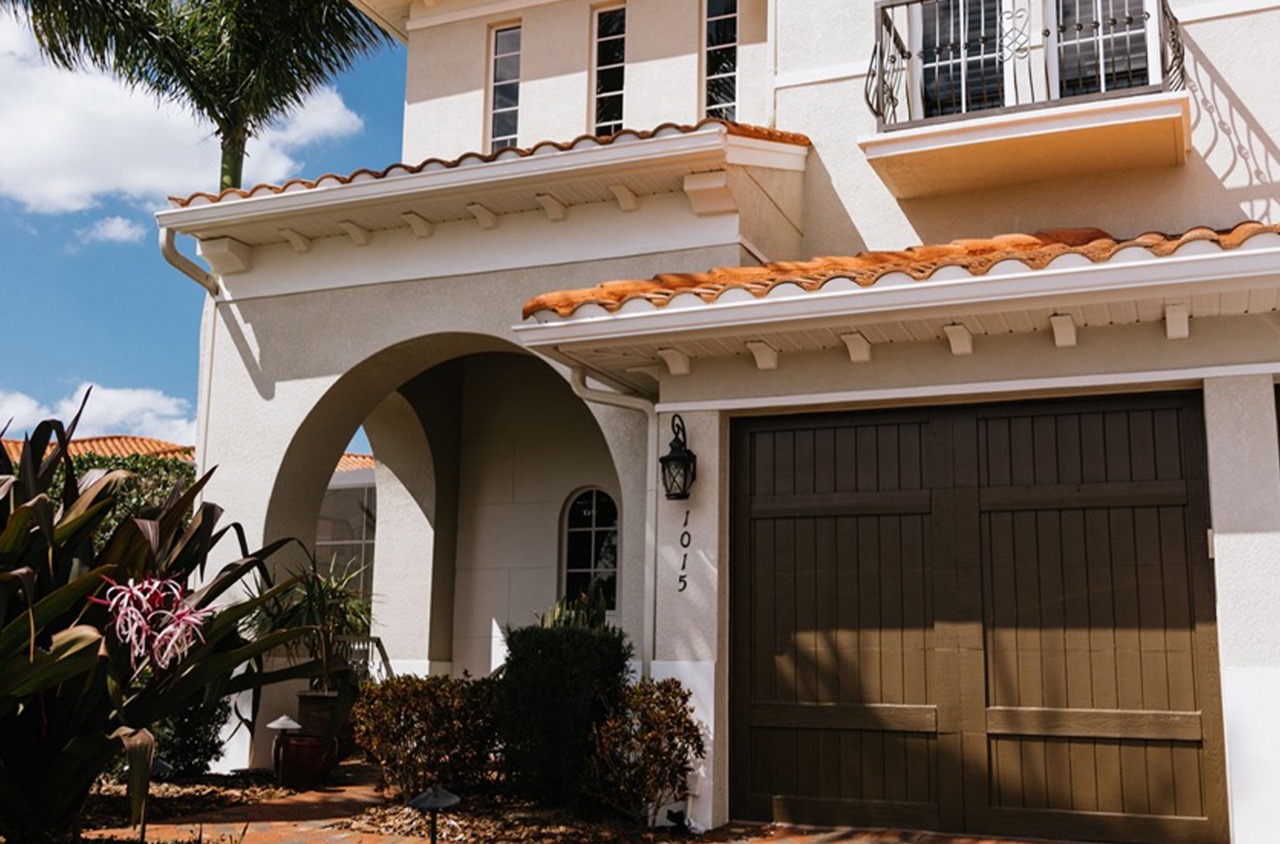
To further enhance the visual impact of these junctions, contrasting colors can be employed strategically. For instance, a soft wall color juxtaposed with a white trim draws attention to architectural details, adding depth and character to spaces. This contrast should be chosen with the overall design palette in mind, ensuring cohesiveness in the finished work.
Lastly, patience becomes a painter’s best tool at these structural ending points. Multiple thin coats of paint, applied with drying time in between, often yield better results compared to a single thick application. This approach not only prevents drips and runs but also allows for minor corrections as necessary.
In painting, structural endings underscore the artistic and technical prowess required to transform spaces gracefully.
Next Steps
Exploring the art of layering paint unveils a dynamic way to redefine both the aesthetics and the experience of a space. By experimenting with textures, glazes, and strategic color choices, you can achieve a depth that single layers simply cannot provide. The interaction between light and layered surfaces can shift perceptions and moods within a room, making each viewing angle a new experience.
Whether you’re seeking to infuse subtle sophistication into a residential setting or harness the enthusiasm of bold shades in a commercial environment, the methodology of layering serves both functional and artistic aims. It’s a skill that underscores the transformative power of paint—an essential consideration for anyone striving to enhance the narrative of an interior space.
For homeowners and businesses looking to explore this technique, engaging professional expertise can make all the difference. At A Step Above Painting, our team specializes in delivering projects where precision meets artistry. We invite you to contact us for a complimentary quote or consultation today. Let us help you discover how layered painting can elevate your surroundings, reflecting both your style and vision in vivid new ways.