
How does the palette of our environment silently narrate the stories of different cultures? Painting, beyond its aesthetic appeal, holds the transformative power to embed cultural essence into the spaces we occupy, blending tradition with modernity. In blending cultural styles, selecting the right color and technique is essential to achieving an authentic representation.
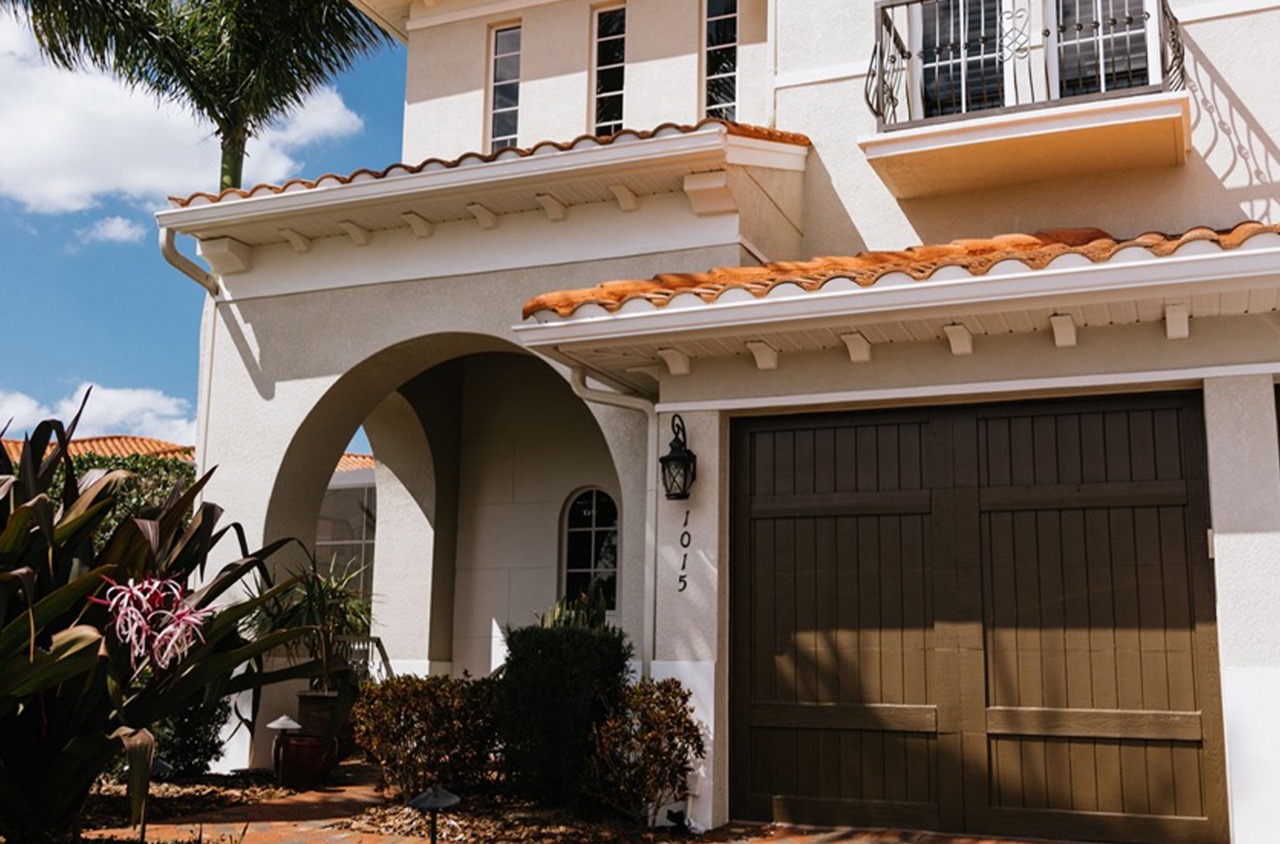
Embracing cultural styles in residential and commercial painting allows us to explore diverse aesthetics—be it the tranquil tones of Japanese minimalism or the vibrant hues that define Mediterranean charm. This approach is more than a decorative choice; it reflects a commitment to honoring the unique heritage and identity that different cultures bring to the architectural landscape.
A Step Above Painting collaborates with clients to create spaces that speak to their personal tastes and cultural inspirations. Our work in Sarasota and Manatee Counties often involves infusing local spaces with global narratives. Understanding and appreciating cultural nuances in painting can transform a simple wall into a canvas of heritage, offering an enriching experience that resonates within the community. Engaging with cultural styles can turn any environment into a subtle, artistic homage to memory and identity.
Adoption of Cultural Styles
Exploring the adoption of cultural styles in the world of painting offers businesses, especially those in vibrant locales like Sarasota and Manatee Counties, a chance to create visually appealing and culturally rich spaces. Incorporating diverse cultural styles into painting can set a business apart, attract a broad audience, and foster an inclusive atmosphere.
The key is understanding the cultural significance of the styles you want to include. For example, choosing colors from a specific culture’s palette—like the vibrant blues and whites of Greek-inspired designs—can transform a space’s mood. Businesses can benefit from researching what different colors represent in various cultures to enhance the authenticity of their aesthetic choices. The color red, for instance, often symbolizes luck in Chinese culture, while it can signify passion in others.
Patterns also play a crucial role. Geometric shapes often found in Islamic art offer intricate beauty, providing a visually captivating experience. For businesses seeking a calm and harmonious vibe, Japanese minimalist painting techniques, such as using natural tones and subtle textures, can be effective. Each pattern and style tells its own story, offering unique narratives that can resonate with diverse clientele.
Size and balance are vital considerations in adopting these styles. Avoid overwhelming a space with too many cultural elements that might clash rather than complement. Instead, focus on integrating select components that harmonize with your existing decor. Combining minimalistic furnishings with bold accent walls can maintain a clean visual flow while still reflecting a global influence.
Including local artists familiar with these styles can help maintain authenticity and support the community. Collaborating with these artists not only brings expertise but also deepens the cultural context of the space.
Ultimately, integrating cultural styles is about striking the right balance that respects and celebrates diversity, enhancing a business’s aesthetic and cultural value. This approach can invite new experiences and perspectives, benefiting both the business and its customers.
Blending Traditions with Modern
Blending traditional techniques with modern aesthetics in painting can elevate the look and feel of both residential and commercial spaces. Integrating classic elements with contemporary methods requires creativity and precision, but the outcome can be both unique and visually appealing.
To harmonize tradition with modernity, start by choosing a color palette that reflects both styles. Traditional colors often include deep greens, autumnal russets, and warm neutrals. Modern aesthetics lean towards bold, contrasting colors or serene monochromes. A fusion palette can be achieved by selecting one or two traditional shades and pairing them with modern, muted tones.
Consider incorporating texture into your design. Textured finishes like limewash or venetian plaster offer a nod to older techniques while adding depth to a modern-colored wall. These textures can soften the stark edges often found in contemporary design, creating a balanced environment.
Additionally, the style of painting can influence how these two elements blend. Techniques like glazing—a thin, translucent layer of paint—can give a traditional feel to a modern wall. Conversely, accent walls can be painted in a modern, unconventional color while using a traditional technique like stenciling, providing a surprising yet cohesive result.
Lighting also plays a crucial role in a blended environment. Traditional rooms often feature soft, warm lighting that highlights rich color tones, while modern spaces tend to favor cooler lighting for a more sterile look. Mix these by using adjustable lighting systems that can switch between warm and cool options depending on the time of day or the occasion.
Incorporating both styles through artwork is another effective approach. Traditional landscape paintings or historical pieces can be offset with contemporary, abstract art. This contrast can draw visual interest and create conversation around the space’s design narrative.
Painting is not just about color; it’s about creating an atmosphere that speaks to both history and innovation. By allowing these eras to meld seamlessly through simple, thoughtful techniques and deliberate choices, spaces can become timeless yet fresh environments.
Curated Schema for Interiors
Curating the perfect color scheme for interiors is more than selecting hues that catch your eye. It involves a careful balance of tones, textures, and lighting, all working in harmony to create an atmosphere suited to the purpose of the space. Whether it’s a home or a business, creating an inviting and functional environment starts with the right color selection.
A practical tip for choosing an interior color palette is to understand the psychological effect of colors. Warm colors, such as reds and oranges, can energize a room, making them ideal for social spaces. In contrast, cooler shades like blues and greens promote calmness, ideal for bedrooms or reception areas. For a workspace, consider using colors that boost concentration and creativity, such as shades of blue or light green. These hues are known to enhance focus and inspire innovative thinking.
Lighting is another crucial factor in curating a successful interior color scheme. Natural light varying throughout the day affects how colors are perceived. For example, a north-facing room might enhance cooler colors, appearing more serene, whereas a south-facing space might bring out the warmth in colors, making them appear more vibrant. Testing paint samples at different times of the day can help uncover how natural and artificial lighting impacts color perception.
Texture plays its role in enhancing or subduing a color scheme. Adding textures through various materials like wood, metal, or textiles adds depth and interest to a space. Smooth, glossy surfaces can reflect light, while rough, matte surfaces can absorb it, influencing the overall atmosphere.
Choosing a cohesive color scheme can also be achieved using the 60-30-10 rule. This approach divides color usage into a dominant color for around 60% of the space, a secondary color for 30%, and an accent color for the remaining 10%. This method can create a visually balanced and aesthetically pleasing environment without overwhelming any particular aspect.
Next Steps
Integrating cultural paint techniques into your residential or commercial spaces adds a distinctive flair that cannot be replicated by conventional design approaches. By selecting elements that resonate with your personal or business values, you create environments that are not only visually compelling but also infused with cultural significance. Cultural paint techniques invite diversity, foster inclusiveness, and can even promote a deeper connection with the community.
Whether you’re inspired by the symmetry and order of Islamic geometric art, the vibrant and earthy tones found in Indigenous palettes, or the balanced serenity of Japanese minimalism, the addition of these cultural elements can transform spaces into meaningful visual narratives.
Taking the time to thoughtfully apply these techniques ensures that your space reflects a curated experience that celebrates tradition and promotes innovation. By aligning your location’s aesthetic with global cultural influences, you offer visitors and clients both a visually stunning space and a journey through cultural exploration.
Ready to bring your vision to life? A Step Above Painting in Sarasota and Manatee Counties specializes in blending cultural motifs with expert precision. Our team is poised to help you select and implement the right techniques and color palettes to bring your project to fruition. Contact us today for a free quote or consultation, and discover how cultural paint techniques can transform your space.