
Are there boundaries to how far paint can transform a space? While color can profoundly influence mood and perception, it is essential to consider where paint’s utility may reach its limits. Paint offers aesthetics, protection, and even energy-efficient properties, but it is not a universal solution. For instance, while it can mask imperfections and provide surface protection, it is not a substitute for structural repairs. Similarly, though some paints can minimize mold or improve air quality, they shouldn’t replace proper ventilation systems.
When considering a fresh coat for your home or commercial space, acknowledging these limitations helps create realistic expectations and avoid potential pitfalls. Understanding what paint can and cannot achieve is key to leveraging its benefits fully. In the realm of residential and commercial transformations, this awareness not only enhances the outcome but also informs smarter decisions. Diving deeper into the nuanced capabilities of paint reveals opportunities to optimize its use effectively within identifiable constraints.
Limits to Paint Utility
Paint is more than color on a wall; it can alter a room’s ambiance and even protect surfaces. Despite its versatility, paint has its limits, and understanding them is vital for businesses focused on aesthetics and durability.
Humidity poses a significant challenge. Paint adheres poorly in damp conditions, leading to peeling or blistering. In Sarasota, where moisture levels soar, controlling humidity before painting is crucial. Investing in dehumidifiers or scheduling paint jobs during drier months can mitigate these risks.
Temperature affects paint application. Extreme heat can cause paint to dry too quickly, leading to brush marks and uneven layers. Conversely, cold temperatures can delay drying and result in a patchy finish. For optimal results, maintain an environment between 50°F and 85°F. Businesses can benefit from portable climate-control systems to manage temperature variations.
Paint’s coverage abilities may also fall short. Manufacturers often promise one-coat coverage, but reality tends to differ. Dark or uneven walls typically require additional coats. Testing the paint on a small area first can help in estimating the actual amount needed, preventing unexpected delays and expenses.
Surface type determines paint adhesion. Glossy or smooth surfaces resist paint, which can result in a layer that easily chips away. Proper surface preparation, like sanding down or applying a suitable primer, can drastically improve paint adherence. Understanding the surface properties can avoid common pitfalls associated with improper application methods.
Certain areas endure high wear and tear, affecting the longevity of paint. Kitchens and hallways are prone to stains and scuffs. Durable, washable paint formulas are advisable in such spaces, ensuring a longer lifespan despite constant use.
Finally, environmental concerns cannot be overlooked. Some paints release volatile organic compounds (VOCs) that contribute to indoor air pollution. Opting for low-VOC or zero-VOC options not only enhances indoor air quality but also aligns with environmentally responsible business practices. Recognizing these limitations and preparing accordingly can make all the difference between an exemplary project and a costly redo.
Examples from Experience
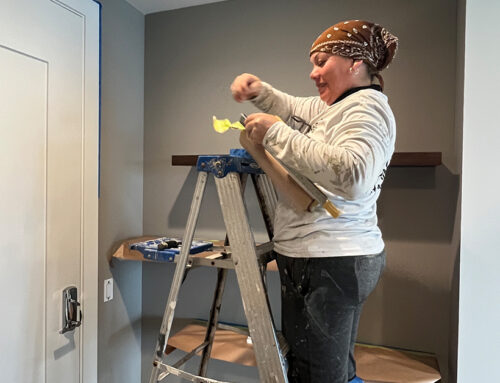
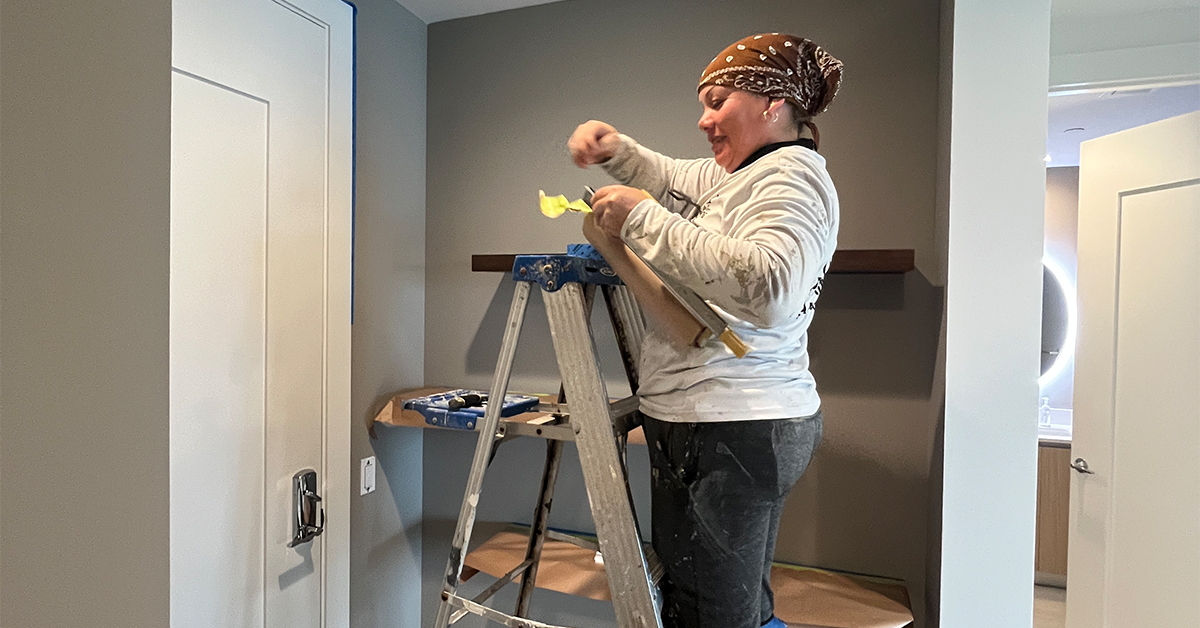
In the realm of residential and commercial painting, experience provides invaluable insight that helps refine craftsmanship and service. At A Step Above Painting, we’ve encountered numerous scenarios that honed our skills and improved the services we offer across Sarasota and Manatee Counties.
Consider a business lobby where colors influence first impressions. The owners initially wanted bold colors, but we suggested a subtler palette that complemented their brand while maintaining a welcoming atmosphere. This not only pleased their clients but also enhanced the aesthetic appeal of their space. A well-chosen color scheme aligns spaces with their intended purpose and can elevate a client’s perception of the business itself.
Then there’s the case of an apartment complex that required a fresh coat of paint but had recently renovated landscaping. Plant preservation was crucial, so we planned accordingly. Our team employed protective coverings and worked in segments to ensure efficiency without compromising on quality or damaging the surrounding greenery. Listening to client concerns and adapting our methods for each unique circumstance exemplifies the kind of tailoring that should hallmark professional service.
We’ve also found ourselves in charming older homes where historical accuracy is a priority. Reproducing original paint schemes requires more than mere color matching—understanding the era’s aesthetics and using appropriate materials ensures that restorations contribute to the home’s story. For one such project, meticulous research produced a faithful restoration that not only retained the home’s character but sparked renewed neighborhood interest.
Finally, in commercial settings, deadlines often dictate the pace. Painting an office over a weekend to minimize disruption involved detailed scheduling and teamwork. Our strategic approach led to on-time completion without sacrifice to quality, teaching the value of prioritization and communication.
Practical experience in painting speaks volumes, offering lessons in adaptability, strategic planning, and client-focused service. These examples underscore our commitment, sharing insights from real-world challenges for those keen on making informed decisions.
Creative Remodel Exercise
Updating the look and feel of your business environment does not always require an extensive renovation. Sometimes, a creative remodel with strategic painting can transform a space, offering fresh energy without the hefty price tag. Paint can effectively redefine your business setting, engage customers, and inspire staff.
Start by considering the psychological effects of color. For example, a predominantly blue palette in office spaces encourages calm and focus, fostering productivity. In contrast, vibrant hues like reds or oranges can inject energy and excitement, making them ideal for retail or spaces meant to spark creativity.
Consider accent walls. A single wall in a contrasting color or pattern can create visual interest and draw attention to specific areas, such as product displays or waiting areas. This method works especially well in open-plan areas, breaking up the monotony without overwhelming the senses. A Step Above Painting offers expertise in selecting wall colors that suit both your brand identity and functional needs of your space.
Incorporate your brand colors in subtle yet noticeable ways. Whether through decorative elements or strategic wall sections, linking your interior’s color scheme with your brand can create a harmonious and memorable experience for visitors. This approach reinforces brand identity while adding a cohesive touch to the environment.
Try incorporating textures using paint techniques such as sponging, rag rolling, or stippling. These can add dimension and interest to walls, giving them a unique appearance tailored to the tone you wish to convey.
Another tip: think seasonal. Wall colors can be updated to reflect seasonal changes, staying fresh and relevant. If repainting is frequent, opt for budget-friendly yet durable paint options to keep costs down while maintaining quality.
Lighting should complement the fresh paint job. Natural light enhances true colors, while strategic artificial lighting can bring out warmth and depth in the hues chosen. Both lighting types should work together to avoid color distortion and ensure the space remains welcoming and professional.
By harnessing the power of paint, businesses can creatively update spaces to improve interactions, boost efficiency, and maintain an inviting atmosphere. It’s a cost-effective approach to remodeling, requiring no drastic structural changes yet offering significant visual impact.
Next Steps
Understanding the transformative potential of paint in non-traditional areas like basements can unlock new opportunities for revitalizing your home. While sometimes overlooked, these spaces harbor untapped possibilities. By using color strategically, you can enhance their function and appeal. Light, warm tones can compensate for limited natural lighting in basements, creating a more open and welcoming atmosphere. Additional techniques, such as incorporating contrasting trim or texture, can elevate these utilitarian spaces into unique, inviting extensions of your home.
Envision transforming your basement into a cozy reading nook, a vibrant playroom, or a creative studio purely through the considered use of color. Beyond basements, similar principles apply to garages, attics, and utility rooms. These areas, often taken for granted, can be transformed into functional parts of your living space.
A Step Above Painting is committed to harnessing the strategic use of paint to unlock the hidden potential of your home’s underutilized rooms. With a keen eye for color selection and application, our expertise can guide you in reimagining your space. Contact us for a free quote or consultation to explore the possibilities for revitalizing your space today.