

Epoxy floors are increasing in popularity for both residential and commercial spaces. But when is it the right choice, and why does this material stand out? Epoxy is not just a protective layer; it melds aesthetics with unparalleled functionality. Picture your garage floor—often a neglected space—transformed into a clean, sleek, and durable surface that resists stains and damage. This isn’t merely about appearance; epoxy flooring offers practical benefits like resistance to chemicals, scratches, and moisture, making it an adaptable solution for diverse environments, from family homes to industrial warehouses.
The timing for using epoxy can be critical. Whether you’re planning a garage makeover, revamping a workshop, or enhancing a commercial kitchen, understanding the underlying conditions is essential. The success of epoxy installation hinges on factors such as the existing floor’s condition, moisture levels, and environmental temperature. Investing in epoxy at the right time efficiently bridges aesthetics with utility, ensuring long-lasting results and a wise investment. As you explore the possibilities, consider how epoxy could redefine and elevate your space’s integrity and functionality.
When and Why Epoxy Works
Epoxy coatings offer a robust solution for both residential and commercial environments, providing a durable surface particularly suited for flooring. Understanding the optimal circumstances for epoxy application not only ensures its longevity but maximizes its potential.
Epoxy works well in spaces where high foot traffic and heavy loads are common. Garages, warehouses, restaurants, and retail spaces benefit from its toughness and resistance to wear. In residential settings, basements and kitchens can gain from an epoxy finish, withstanding spills and stains with ease. Its impermeable surface makes cleaning straightforward, which is crucial for sanitation-heavy industries.
Temperature also plays a role in epoxy’s effectiveness. Ideal application takes place in environments ranging from 60 to 80 degrees Fahrenheit; colder settings can hinder the curing process, while extreme heat can cause inconsistencies in the coating’s application. Ensuring the area of application is humidity controlled is also beneficial, as excessive moisture can prevent epoxy from adhering properly, leading to bubbling or peeling.
Prior to applying epoxy, surface preparation is vital. A clean, dust-free environment helps the epoxy bond securely. For concrete floors, etching or grinding is often necessary to create a texture the epoxy can adhere to effectively. A thorough cleaning removes oils and other residues that otherwise compromise adhesion.
Different types of epoxy, such as solid, solvent-based, or water-based, serve specific functions. Solid epoxies lack any solvents and provide the most durable finish, ideal for industrial settings. Solvent-based epoxies are easier to apply and penetrate concrete well, while water-based options are suitable for small-scale residential projects, releasing fewer volatile organic compounds (VOCs). Choices should align with the specific needs of the environment and the desired aesthetic outcomes.
Knowing when and why to choose epoxy can save time and resources while enhancing the functionality and appearance of a space. Opting for professional examination and advice can further ensure that epoxy’s benefits are fully realized in both residential and commercial contexts.
Exploration and Expansion of Ideas
Exploring and expanding ideas in the commercial painting industry can foster innovation and efficiency. By cultivating an environment where creative thought is encouraged, businesses can discover new methods for improving service delivery and customer satisfaction. One approach is to establish a regular brainstorming session with your team. This creates a structured space where ideas can be freely shared and evaluated without immediate judgment. Everyone, from seasoned employees to recent hires, can contribute unique perspectives that might otherwise go unheard.
Offering ongoing training sessions can also ignite fresh ideas. Whether it’s a workshop on emerging paint technologies or a seminar on project management, continuous learning keeps your team informed and inspired. It positions your business to quickly adapt to industry changes and customer demands, improving competitiveness.
Networking is another valuable strategy. Engage with other businesses at trade shows, industry events, and local forums to exchange ideas and learn from their successes and challenges. This interaction not only brings new concepts to the table but also helps in forming strategic partnerships that can lead to collaborative opportunities.
Consider encouraging experimentation. Allow team members to test new paints, tools, or techniques on smaller projects or sample boards before wider application. Feedback from these trials can lead to enhanced methods that boost quality and efficiency in larger jobs.
Implementing customer feedback is essential, too. Regularly soliciting and analyzing client input can highlight potential areas for improvement or innovation. It’s important to view complaints and praises alike as opportunities to refine your offerings to better suit customer needs.
Digitizing your operations can streamline project management and idea tracking. Tools like digital scheduling, estimation software, or even simple collaboration platforms can save time and reduce errors, freeing up more resources for creative pursuits.
Ultimately, commitment to exploration and openness to evolution keeps a business at the forefront of the painting industry. By continuously seeking inspiration from within and outside, you can uncover new paths to success.
Safe Handling and Application
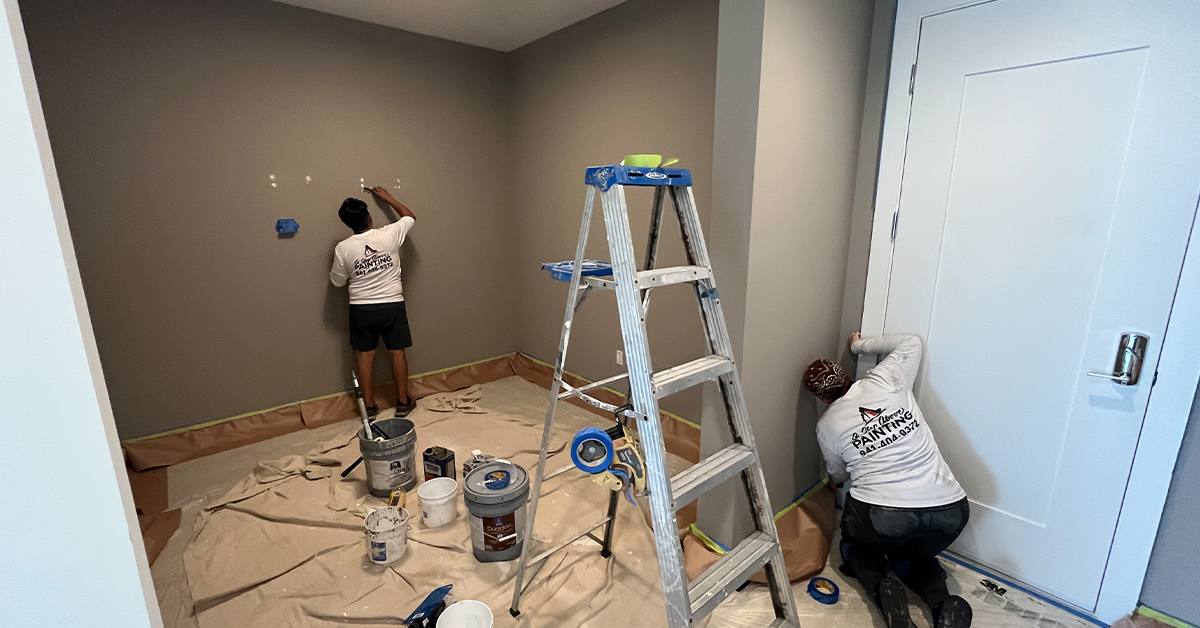
Safe handling and application of paint are critical aspects of any painting project, both residential and commercial. Ensuring safety and effectiveness in application begins with understanding the products you are using. Be sure to carefully read all labels and safety data sheets provided with the paint. These documents offer crucial information about composition, potential hazards, and recommended protective measures.
Before starting the project, secure a well-ventilated environment to work in. Proper ventilation diminishes the inhalation risks associated with paint fumes. Open windows and doors when possible and use fans to circulate fresh air. In confined spaces, consider using a respirator mask as an added precaution. Safety goggles shouldn’t be overlooked. They protect your eyes from splashes or spills, particularly when using spray equipment. Gloves will help keep your skin safe from direct contact with paint, which can sometimes cause irritation or allergic reactions.
When it comes to the materials you’ll be painting, preparation is vital. Surfaces should be clean, dry, and free of any loose particles. This requires washing surfaces with mild soap and water, then sanding to create a smoother application surface. A primer should often precede the paint, depending on the material. A primer not only helps the paint adhere better but also enhances longevity by providing a uniform base.
Choose the appropriate tools for your job. Rollers work well for large, flat surfaces, while brushes provide precision along edges and corners. Sprayers, though efficient on extensive flat surfaces, require more skill and care to handle properly. Always test your application technique on a small area first to ensure compatibility with the surface.
Finally, when storing paint and materials, make sure they’re kept in a cool, dry place, away from direct sunlight. Well-closed containers prevent paint from drying out or separating. This not only maintains safety by reducing risks of chemical leaks but also conserves resources by preserving leftover paint for future touch-ups or projects.
Next Steps
Epoxy flooring transcends mere utility with its seamless blend of practicality and design, offering unparalleled resilience and aesthetic appeal to a variety of spaces. By understanding the specifics of epoxy application—ranging from environmental conditions to surface preparation—you can harness its full potential, ensuring a wise and enduring investment.
If you’re contemplating how epoxy could transform your home or commercial space, consulting with experienced professionals can be invaluable. A Step Above Painting’s expertise could guide you through the decision-making process, from selecting the suitable type of epoxy to executing flawless installation. With a keen eye for detail and a commitment to quality, our team ensures the durability and visual impact of your epoxy floors.
Contact A Step Above Painting today for a free consultation or to request a quote. Let us help you elevate your space with an epoxy finish that’s as durable as it is stunning.