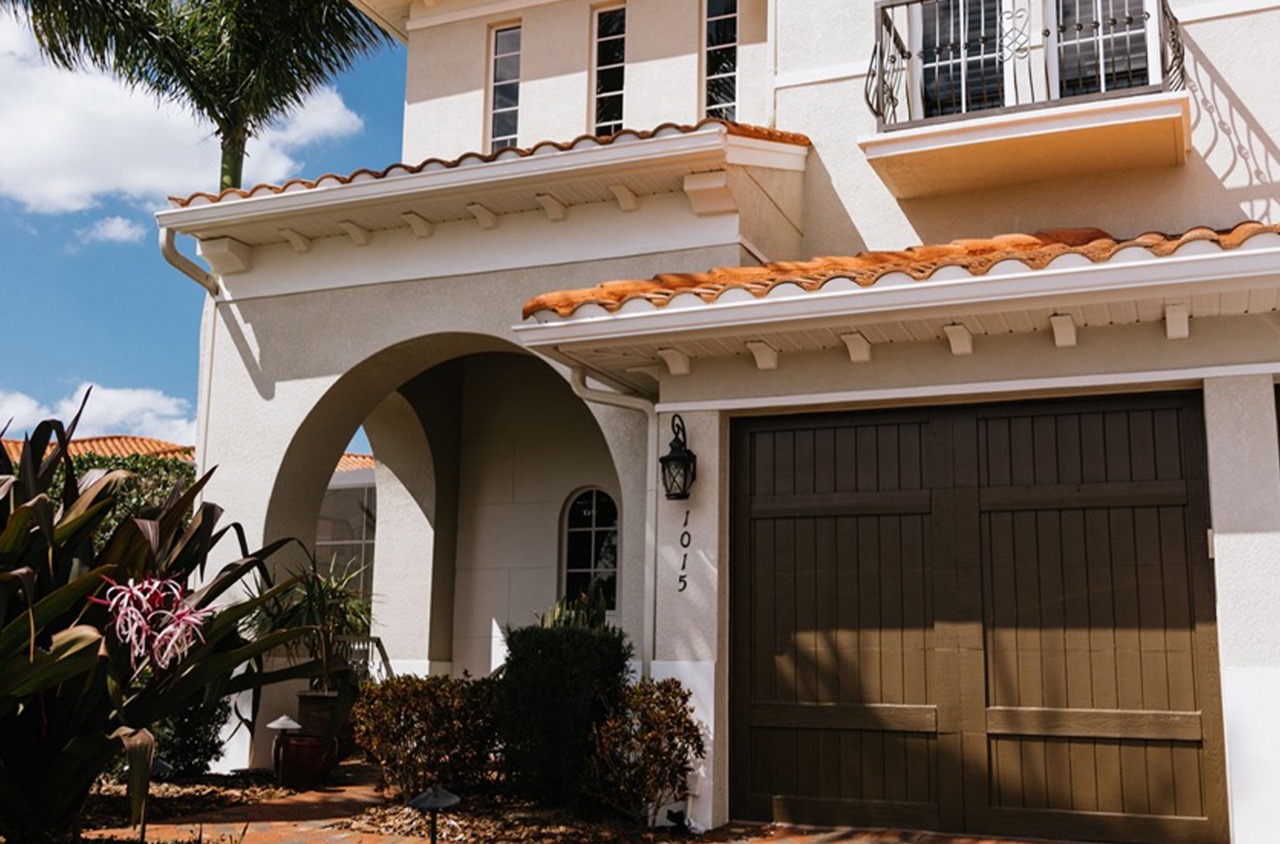

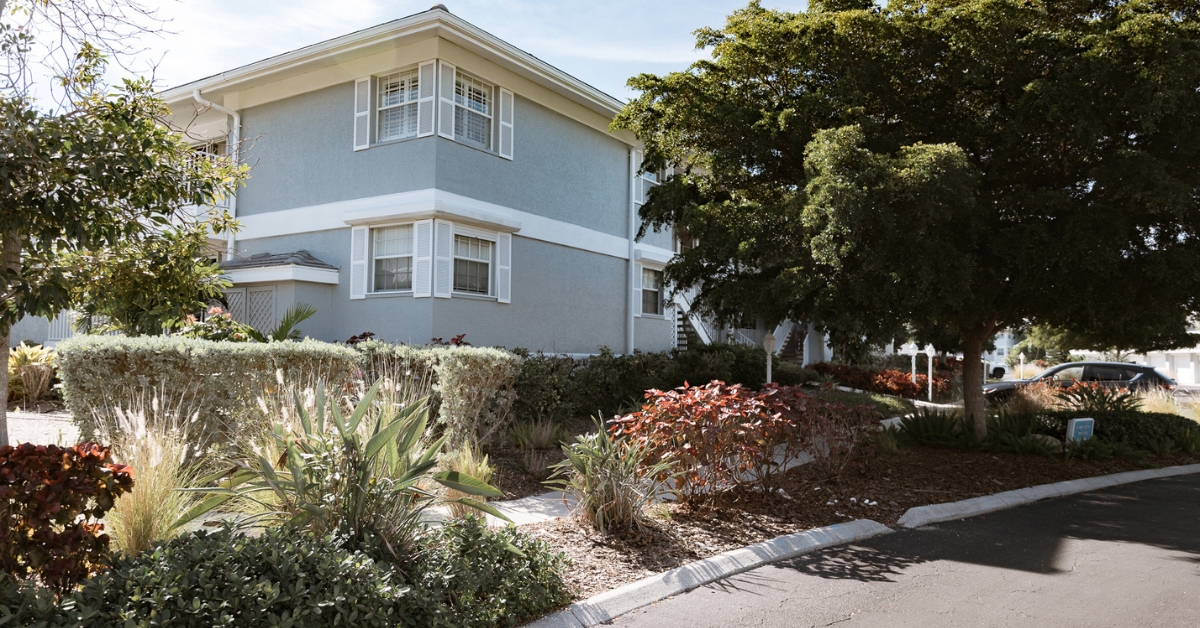
How can texture transform a simple wall into a visual masterpiece? Texture plays a pivotal role in altering the perception and feel of a space, influencing everything from how light interacts with surfaces to how color is perceived. In residential and commercial settings across Sarasota and Manatee Counties, texture can make a flat wall vibrant or convey a sense of subtle sophistication. It interacts uniquely with paint, creating depth and adding dimension, making even a single color appear more dynamic. Understanding how texture can enhance or detract from an interior or exterior space helps in creating ambiance and aesthetics. Whether opting for a bold stucco finish or a more refined Venetian plaster, each texture offers its unique appeal. Embracing texture can personalize spaces, reflecting the unique taste and style of a homeowner or business. As painters, appreciating texture’s impact elevates the craft, ensuring tailored applications that align with clients’ visions and the architectural integrity of the surroundings.
Understanding Texture Roles
Exploring the role of texture in painting can reveal intriguing possibilities for transforming spaces in both residential and commercial settings. Texture is more than just a surface feature; it carries the potential to influence both aesthetics and functionality in profound ways.
The choice of texture in painting can significantly impact the perception of depth and dimension within a space. Smooth textures on walls and ceilings evoke a sleek, modern vibe, an ideal choice for office buildings and contemporary homes aiming for a minimalist look. Techniques like skim coating or using eggshell or satin finishes assist in achieving this effect, amplifying light reflection and enhancing a room’s brightness.
In contrast, incorporating more pronounced textures can add warmth and character, ideal for cozy restaurants or vintage-style homes. Textured techniques such as stucco, sponge painting, and slap brush create visual interest and can even serve practical purposes like concealing minor wall imperfections. These options lend themselves well to environments seeking to invite comfort and a rustic charm.
Practical consideration extends to durability. Textured surfaces often mask signs of wear better than smooth ones, an advantage in high-traffic areas like waiting rooms or busy hallways. Understanding the differences in texture options can also aid in selecting the appropriate type of paint. Glossy finishes, though striking, work better on smooth surfaces, while matte finishes complement rougher textures, reducing glare and hiding surface inconsistencies.
Texture can even influence acoustics. Heavily textured walls and ceilings can dampen sound, an asset in noisy environments like cafes or open-plan offices. This capability helps create functional spaces without compromising on stylistic choices.
This exploration encourages us to see texture not as an afterthought but as a fundamental element of design that can enhance the utility and beauty of any space through thoughtful application. Developing an awareness of the impacts various textures have allows businesses to make informed decisions for creating spaces that align with their desired ambiance and practical needs.
Monochrome Project Execution
Choosing a monochromatic color scheme for your painting project can simplify decisions while providing a seamless, sophisticated look. This approach uses varying shades of a single color, offering a visually appealing result without overwhelming contrasts.
Selecting the right base color is crucial. Consider the atmosphere you want to create. Blues and greens can evoke tranquility, while variations of yellow or red may energize a space. It’s imperative to test several shades of your chosen color in the actual room lighting, as natural and artificial lights can alter how colors appear.
Once you’ve settled on your base shade, incorporate different tones, tints, and shades of this color to add depth and interest. Avoid using an overly similar palette that might flatten the room’s dimension. A light tone for walls can make a room feel larger, while a darker shade can create a cozy, intimate atmosphere.
Balancing the monochrome scheme involves more than paint. Consider how different materials can play with the same color: matte, satin, and gloss finishes can all add variety. Incorporate textures through textiles such as rugs, curtains, or upholstery to prevent the room from appearing too uniform. Blend other elements like metallics, glass, or wood in a way that complements your dominant color without clashing.
In commercial settings, a monochromatic design can amplify your brand’s identity. Integrate your brand’s primary color in strategic areas like reception or product display zones. The consistency in color helps strengthen your brand message subliminally while maintaining a professional appearance.
Proper planning is vital. Calculate paint and material needs accurately to avoid mid-project disruptions. A solid plan ensures a smooth execution, resulting in a beautifully cohesive space. Monochrome projects may appear straightforward, but they require an eye for detail and balance to achieve a harmonious look.
Innovative Ideas for Individuals
In the realm of both residential and commercial painting, innovation is more than just new techniques or color palettes—it’s about creativity in application and approach. For those looking to set their spaces apart, consider these practical, innovative ideas that can transform your business environment or home into a reflection of personal or corporate identity.
First, let’s explore the power of color psychology to create spaces that inspire and motivate. Studies suggest that color has a profound impact on mood and productivity. For instance, blue hues, known for their calming effect, can reduce stress and foster concentration. Green, often associated with nature, promotes a sense of balance and refreshment. Consider accent walls where these colors will have the most impact, like an office space that requires focus or a living room designed for relaxation.
Texture isn’t just about the visual—it’s a tactile experience that can dramatically change the feel of a room. Techniques like sponging, rag-rolling, or stippling can add depth and interest. Think about using these on feature walls to create a contrast with smoother surfaces. In commercial spaces, this approach can frame artworks or signage, drawing attention without overwhelming.
Beyond paint, integrating technology can revolutionize the painting process. Smart paint technology, such as thermochromic or luminescent paints, can change color with temperature or light changes, offering dynamic visual experiences. This technology can be especially engaging in children’s rooms or entertainment venues where vibrancy and novelty are welcome.
For an eco-friendly approach, focus on using paints with low volatile organic compounds (VOCs). These reduce indoor air pollution and contribute to a healthier environment for employees or family. Additionally, repurposed materials such as reclaimed wood or metal for wall features can align with sustainability goals, while also adding character and history to a room.
Finally, consider the art of illusion. A well-placed mural or trompe-l’œil can give the illusion of expanded space or an entirely different atmosphere. This technique can be particularly beneficial in smaller spaces, making them feel larger and more open.
Incorporating these innovative ideas into your painting projects isn’t just about aesthetics—it’s about creating a refreshed space that aligns with your visitors’ diverse and evolving expectations. With careful planning and execution, these enhancements can elevate any environment, leaving a lasting impression.
Next Steps
Harnessing the potential of monochrome textures as a tool for sculpting modern interiors invites both simplicity and sophistication into a space. Crafting a visually pleasing environment involves not only color and texture choices but also a strategic application of these elements to harmonize with the architecture and intended ambiance. The tactile features of textured finishes, when paired with the understated elegance of a monochromatic palette, can serve as a canvas that enhances rather than competes with other design elements. This intentional approach can significantly impact the perception of space, offering both aesthetic and practical benefits—from influencing acoustics to camouflaging imperfections.
Building a compelling interior with monochrome textures doesn’t just lie in the selection of materials or shades; it also hinges on understanding personal and brand identity, creating an environment that communicates intended emotions and stories. Such careful consideration ensures that each spatial design decision is not just visually appealing but also resonate with the users of the space, encouraging functionality, comfort, and style.
For those embarking on a journey to redefine their environments in Sarasota or Manatee Counties, A Step Above Painting is your partner in this creative endeavor. Whether you’re rejuvenating a home or refreshing a commercial space, our expertise in painting and textural techniques is at your service. Contact us today to arrange a free quote or consultation, and let us help translate your vision into a sophisticated reality that stands the test of time.