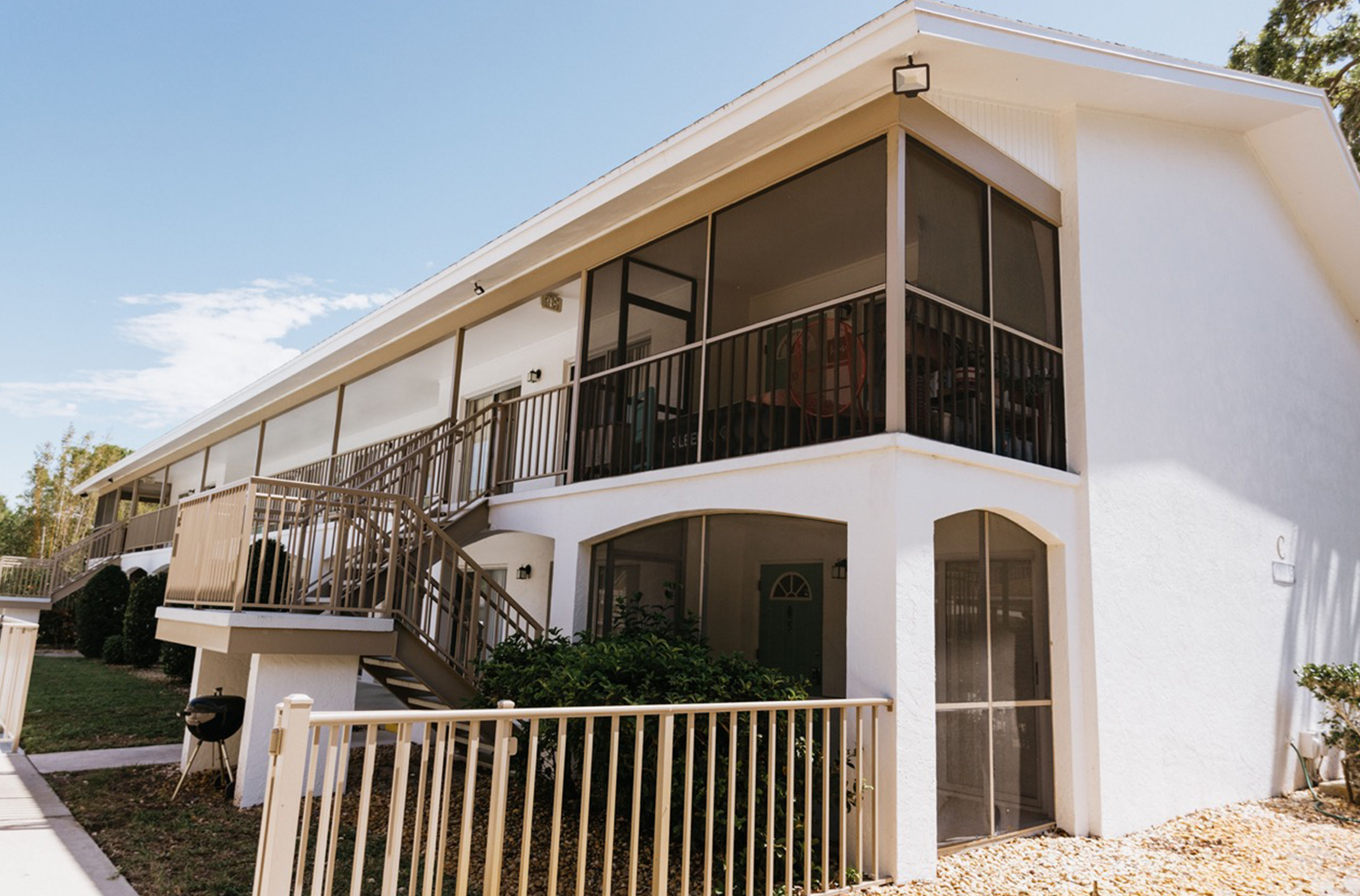


Choosing a paint color can profoundly affect the atmosphere and functionality of a space. Whether you’re refreshing the exterior of a business or transforming the interior of a home, the right paint can significantly influence mood, perception, and even behavior. Scientific studies reveal that colors can evoke emotional responses—blue can be calming, red can stimulate, and green often brings a sense of harmony. But beyond emotional influence, the right color can also impact a room’s perceived size and light. For instance, lighter colors can make tight spaces feel open and airy, while darker shades offer coziness and intimacy. As you plan your next painting project in Sarasota or Manatee County, understanding the psychological and practical effects of your color choice can ensure that your spaces leave a lasting impression.
Making Impact Through Paint Choice
Color plays a pivotal role in workplaces and homes, often balancing aesthetics with mood-enhancing qualities. For businesses aiming to leave a lasting impression, selecting the right paint color can be a strategic decision that influences client perception and employee efficiency.
In offices, colors that promote focus and creativity are invaluable. Blue, known for its calming effects, is ideal for creating a serene atmosphere that boosts concentration. Green adds a touch of nature, encouraging thoughtfulness and reducing stress. It’s particularly effective in environments requiring mindfulness. To spark innovation, consider incorporating bright hues like yellow or orange sparingly. While these add vibrancy, overuse may become distracting.
Retail spaces, meanwhile, can use paint to subtly guide customer experiences. Red and orange can encourage quick decisions and impulse buys, making them suitable for promotional areas. Conversely, soft shades of blue or green can induce lingering, making them perfect for stores where a relaxed browsing experience is desired. A carefully chosen accent wall can also direct attention to new arrivals or sales.
For restaurants, tone is as essential as taste. Earthy colors such as terracotta or muted greens evoke warmth and appetite, enhancing the dining experience. More contemporary spaces might benefit from the sophistication of deep charcoal or slate, which can elevate the restaurant’s ambiance to align with a cosmopolitan clientele.
Residentially, paint selection affects how inviting a space feels. Light shades can make a room seem larger and more welcoming, while darker tones can add luxury and coziness when used thoughtfully. In shared spaces, neutral tones provide versatility, enabling personalized decor twists without overwhelming the space.
In commercial and residential painting, consciously choosing colors isn’t merely aesthetic—it’s about creating environments that communicate, engage, and entice. Businesses that master this art can inspire productivity and enhance customer experiences, showcasing how powerful a tool color truly is.
Adjusting Room Perception for Desirability
Creating a desirable space can transform how a room feels and is perceived. If you’re looking to adjust room perception, color can be your best ally. In the realm of painting, choosing the right color isn’t just about aesthetics; it determines the room’s mood and apparent size. Understanding color psychology can be beneficial. Cool tones, such as blues and greens, create a calming effect, making them a good option for bedrooms and spaces meant for relaxation. Conversely, warmer colors like reds and oranges energize, adding excitement to areas like kitchens or workspaces.
Consider the ceiling when transforming perception. Painting the ceiling a lighter shade than the walls can make a room appear larger, a technique often used in smaller spaces. If coziness is desired, opt for a darker ceiling color to bring the space in visually, establishing intimacy, which can be ideal for dining rooms.
Patterns and finishes also contribute to perception adjustments. Vertical stripes draw eyes upward, giving a sense of taller walls, while horizontal lines can make rooms seem wider. In commercial settings where you want to impress or create an ambiance—like in a restaurant or boutique—texture can add depth and interest that changes the room’s dynamic. Matte finishes absorb light, offering a grounded feeling, whereas glossier paints reflect more light, making spaces seem expansive and vibrant.
Furniture placement further influences perception. Strategic arrangement, such as avoiding crowded layouts, ensures flow and openness. Clear pathways make a room more inviting, prompting positive interactions and experiences.
Lighting impacts how colors and finishes are perceived. Integrating multiple light sources, like floor lamps or wall lights, can highlight certain areas or textures, crafting an atmosphere that aligns with your desired aesthetic. Thus, choosing light fixtures that complement your paint work enhances the overall feel, making the room not just seen, but also felt distinctly by those who enter.
Enhancing Emotional Connection
Creating an emotional connection through color and atmosphere can significantly enhance how clients perceive your business environment. Recognizing the impact of color psychology and strategically incorporating it into your workspace can evoke a desired emotional response, leaving a lasting impression on clients and employees alike.
A color palette that aligns with the purpose of your space is crucial. For instance, offices aiming to stimulate creativity might incorporate hues like green or blue, known for promoting focus and tranquility. Meanwhile, restaurants looking to evoke warmth and comfort might choose a palette of muted oranges or deep browns. Working with professional painters who understand these nuances can ensure that the chosen colors not only complement your brand identity but also foster the right emotional ambiance.
Beyond color, texture, and finish have the power to influence mood significantly. A matte finish can lend depth and a calm feel to a room, while a glossy one might infuse energy and reflectivity, lending vibrancy to often-used areas. Exploring textures can add another dimension; for example, a textured wall in a reception area might create an interesting focal point inviting discussion and engagement.
Lighting notably affects color perception and ensuing mood. Natural light enhances vibrant hues and boosts positive energy levels, whereas artificial lighting can be tailored to soften or intensify colors to match the desired mood throughout the day. Businesses should assess their lighting in conjunction with their painting plans. Incorporating adjustable lighting can help you easily switch from a bright atmosphere during business hours to a more subdued setting for evening events.
Finally, involving your team in the color selection process can foster a sense of ownership and belonging. Encouraging staff to express how certain colors affect their productivity and comfort can lead to insightful feedback. This inclusive approach makes for a workspace that is not only aesthetically pleasing but also one that emotionally resonates with those who inhabit it daily.
Next Steps
Colors wield tremendous power in influencing buyers’ decisions, subtly shaping perceptions and driving emotional responses that impact behavior. Whether you’re aiming for vibrant energy or calming tranquility, understanding the psychology behind color choice allows businesses to craft environments that resonate with clients and employees alike.
If you’re ready to harness the transformative power of paint to affect buyer decisions, seeking the expertise of professional painters is a wise move. At A Step Above Painting, we understand the importance of color psychology in creating environments that capture your vision. Our team is prepared to help you choose a palette that not only enhances visual appeal but also aligns with your strategic goals. Contact A Step Above Painting for a free quote or consultation to start designing spaces that speak volumes without saying a word.