
Most walls need one coat of primer and two coats of finish paint, but the real answer depends on the surface, the color change, and what is already on the wall. Some jobs need zero primer coats; a few tricky ones need two. Here is how to tell which situation you are in, so you get full, even coverage without paying for coats you do not need.
When You Need Primer — and When You Don’t
Primer creates a uniform surface for paint to grip and seals in stains, patches, or old color so they don’t show through. You need it in these situations:
- New drywall: unpainted drywall is porous and absorbs paint unevenly without a primer coat first — skipping it leads to blotchy, flat-looking results.
- Stains: water stains, smoke marks, crayon, or marker will bleed through ordinary paint unless sealed first with a stain-blocking primer.
- Dark-to-light color changes: going from a bold or dark wall to a light color almost always needs primer, sometimes tinted gray, to keep the old color from ghosting through.
- Glossy surfaces: semi-gloss or gloss trim and doors need either a light sanding or a bonding primer so new paint has something to grip instead of sliding off.
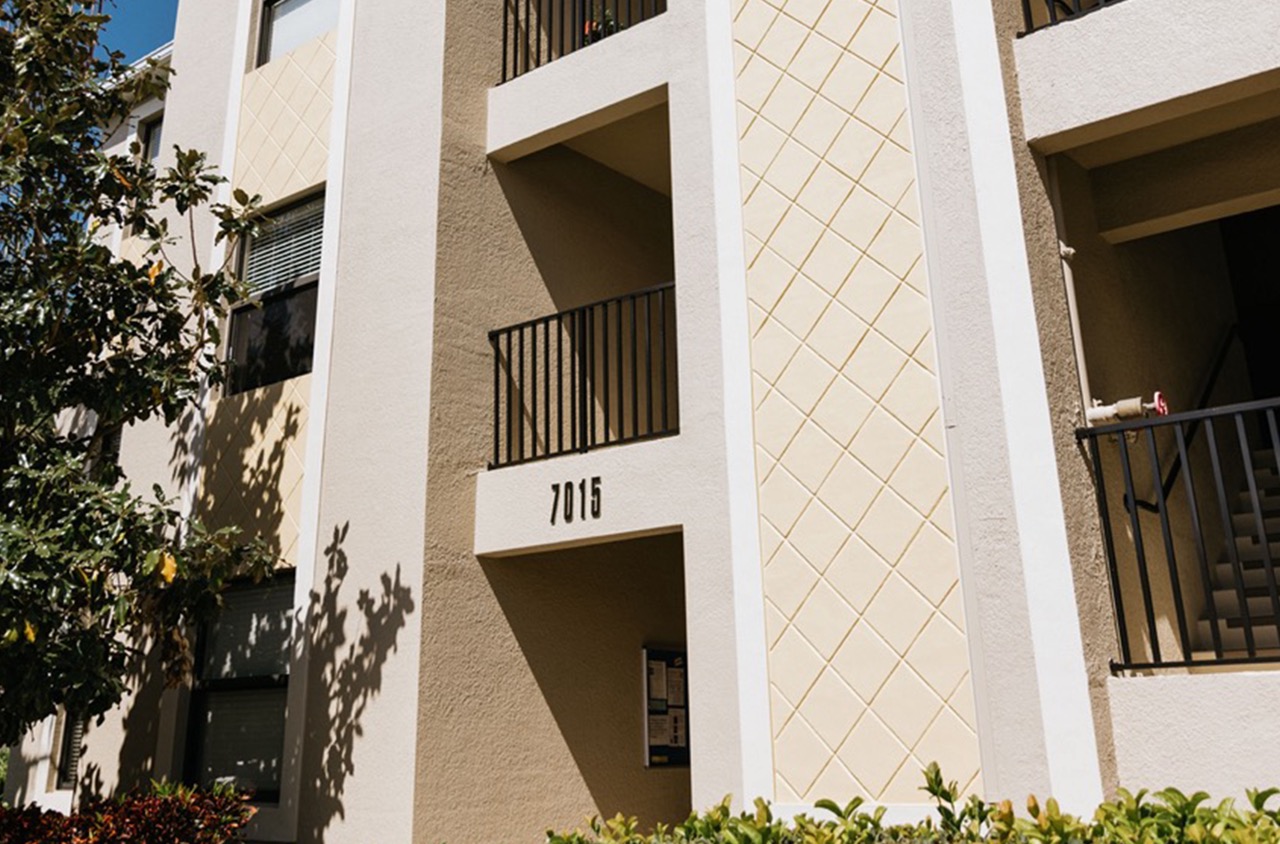
- Exterior stucco and block: both are porous and benefit from a masonry primer that seals the surface and improves topcoat adhesion, especially before an elastomeric coating.
You can often skip a separate primer coat on a wall that is already painted, in good condition, and getting a similar color — that is where paint-and-primer-in-one products earn their keep.
Trim and doors deserve their own note. Even when the surrounding wall doesn’t need primer, glossy trim almost always benefits from either a light scuff-sanding or a dedicated bonding primer, since gloss and semi-gloss finishes are specifically designed to resist things sticking to them — which includes new paint.
Is Paint-and-Primer-in-One Actually Enough?
For a like-for-like color change on a sound, previously painted wall, a quality paint-and-primer-in-one product can deliver good coverage in two coats with no separate primer step. It is not a substitute for real primer on new drywall, stains, or major color shifts — in those cases it will not fully do the job, no matter what the label implies. Think of it as a shortcut for straightforward repaints, not a universal fix.
Not sure what your walls need? A Step Above assesses every surface during your free Sarasota estimate.
The Typical Coat Count: 1 Primer + 2 Finish Coats
For most interior rooms getting a real color change or fresh drywall, the standard is one coat of primer followed by two coats of finish paint. That combination gives full, even hide, protects against future staining, and holds color consistently under different lighting. Cutting to a single finish coat almost always leaves thin spots or roller lines visible once the wall dries, particularly with reds, deep blues, and other saturated colors that need the second coat to look right.
Dry and Recoat Times in Florida Humidity
Paint labels list recoat times assuming moderate humidity, and Sarasota routinely runs well above that, especially June through September. High humidity slows evaporation, which means the safe wait between coats is often longer here than the can suggests — rushing a second coat over a tacky first coat can trap moisture and cause problems later. Running the AC during interior painting helps control humidity and keeps the job on schedule. Learn more about how our climate affects paint performance on our exterior paint guide.
Exterior vs. Interior Coat Needs
Exterior surfaces generally need the same one-primer, two-finish-coat approach, but the primer choice matters more outside. Stucco and block need a masonry primer; bare wood siding needs a stain-blocking, UV-resistant primer; and previously painted siding in good shape may only need spot-priming over repairs. Interior walls have it easier since they are shielded from sun and rain, but bathrooms, kitchens, and laundry rooms still benefit from a primer that resists moisture and mildew.
Lanais and pool cages fall somewhere in between — they are technically exterior surfaces but often see less direct rain, so the right primer depends on the specific structure and how exposed it is. It’s worth having a pro look at these areas specifically, since guessing wrong on primer here tends to show up as adhesion failure within a season or two rather than years.
Let a Pro Assess Your Specific Walls
Every wall is a little different, and the fastest way to know exactly what yours need is a free, on-site look from someone who does this every day. Our residential painting estimates are no-obligation, and every job comes with a 5-year guarantee. Call (941) 404-9372 to get a straight answer before you buy a single can.
Not sure what your walls need? A Step Above assesses every surface during your free Sarasota estimate.
Frequently Asked Questions
Can I skip primer if I use paint-and-primer-in-one?
Only for a like-for-like color change on a wall that is already painted and in good condition. For new drywall, stains, or a dramatic color shift, a separate primer coat is still the right call — paint-and-primer-in-one is not strong enough to handle those situations alone.
How many coats of paint does a wall usually need?
Two finish coats is standard for full, even coverage and consistent color, especially with darker or more saturated shades. A single coat often leaves thin or streaky spots once it dries, even with quality paint.
Why does humidity affect how many coats I need?
Humidity does not change the number of coats, but it changes how long you need to wait between them. Painting over a coat that has not fully dried in Sarasota’s humid months can trap moisture and lead to poor adhesion or an uneven finish later.